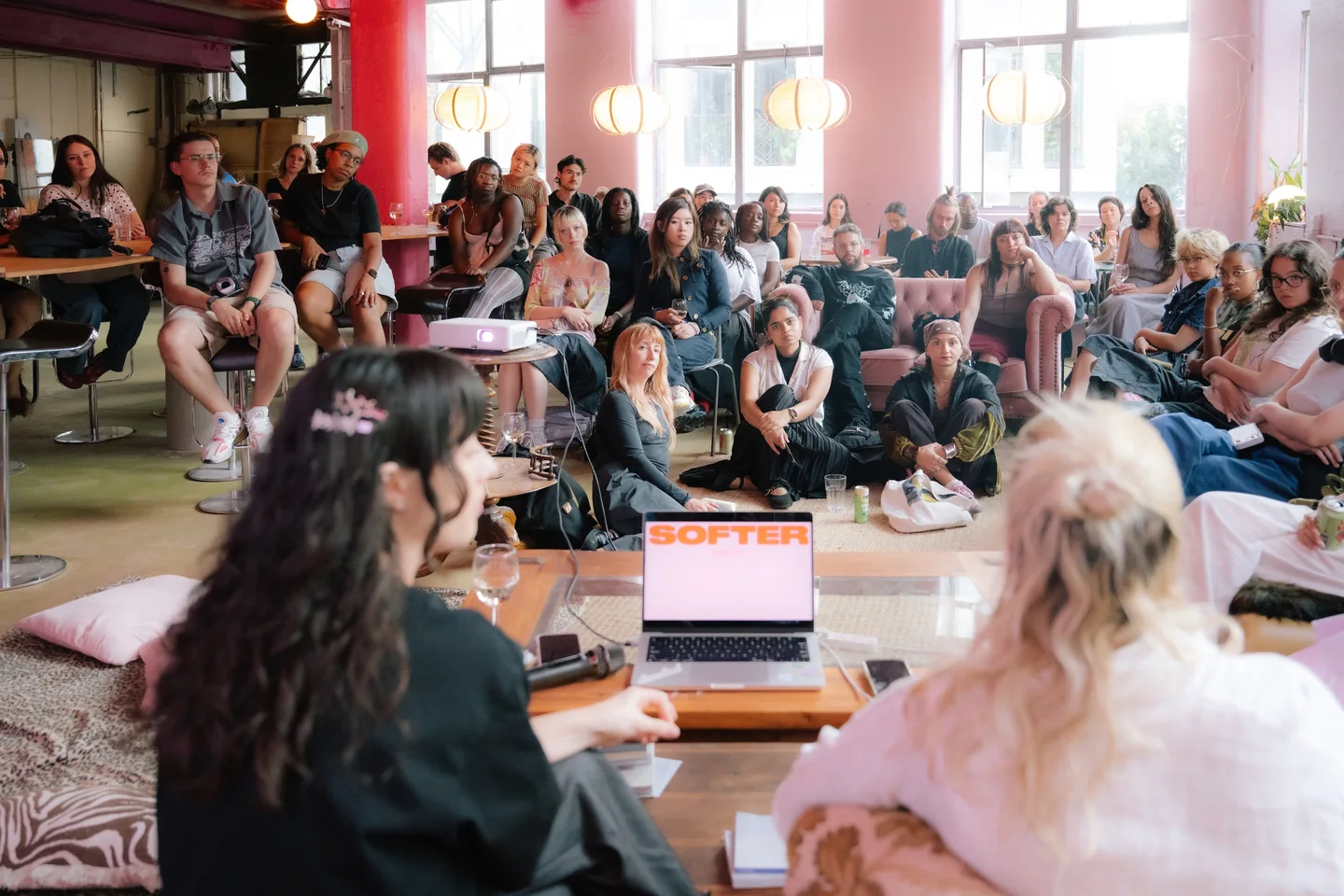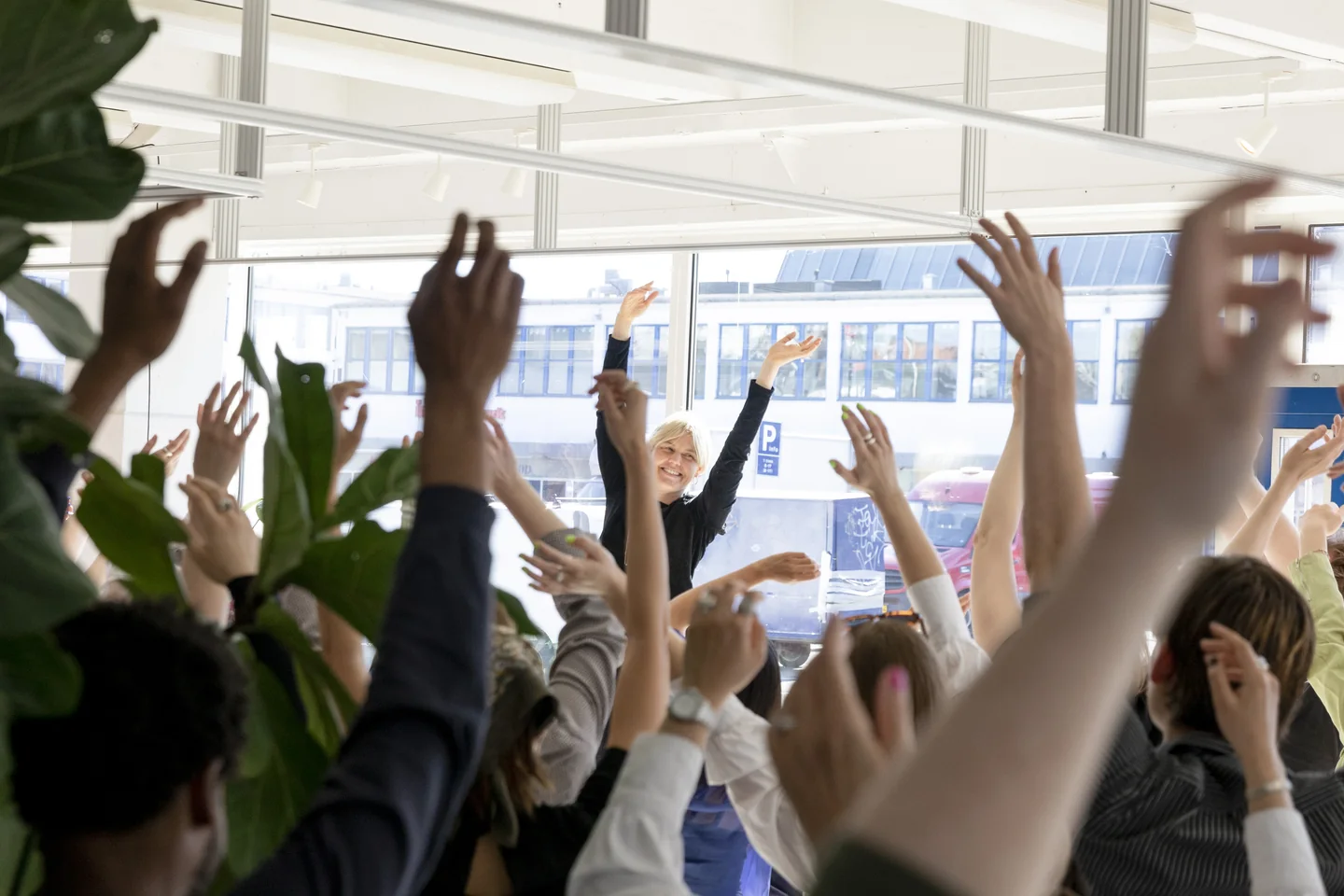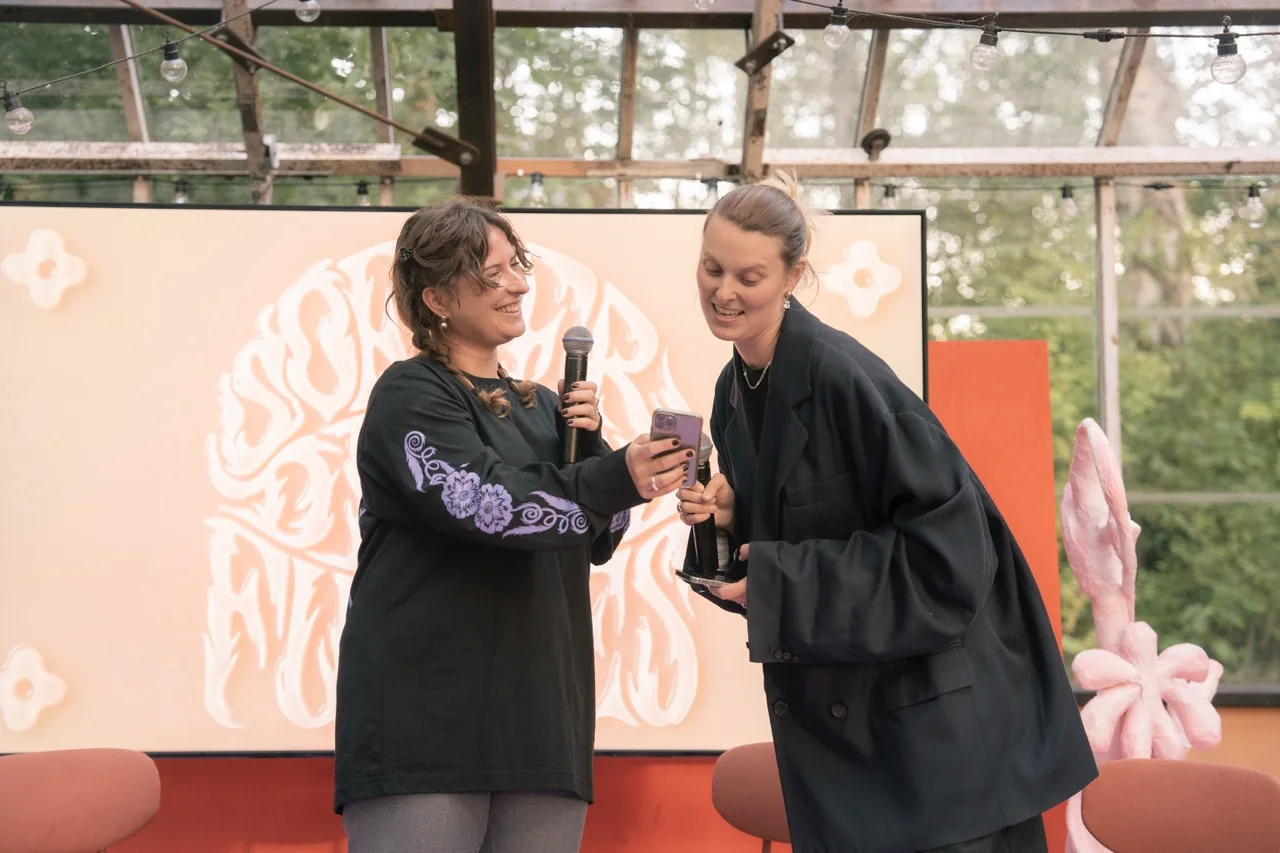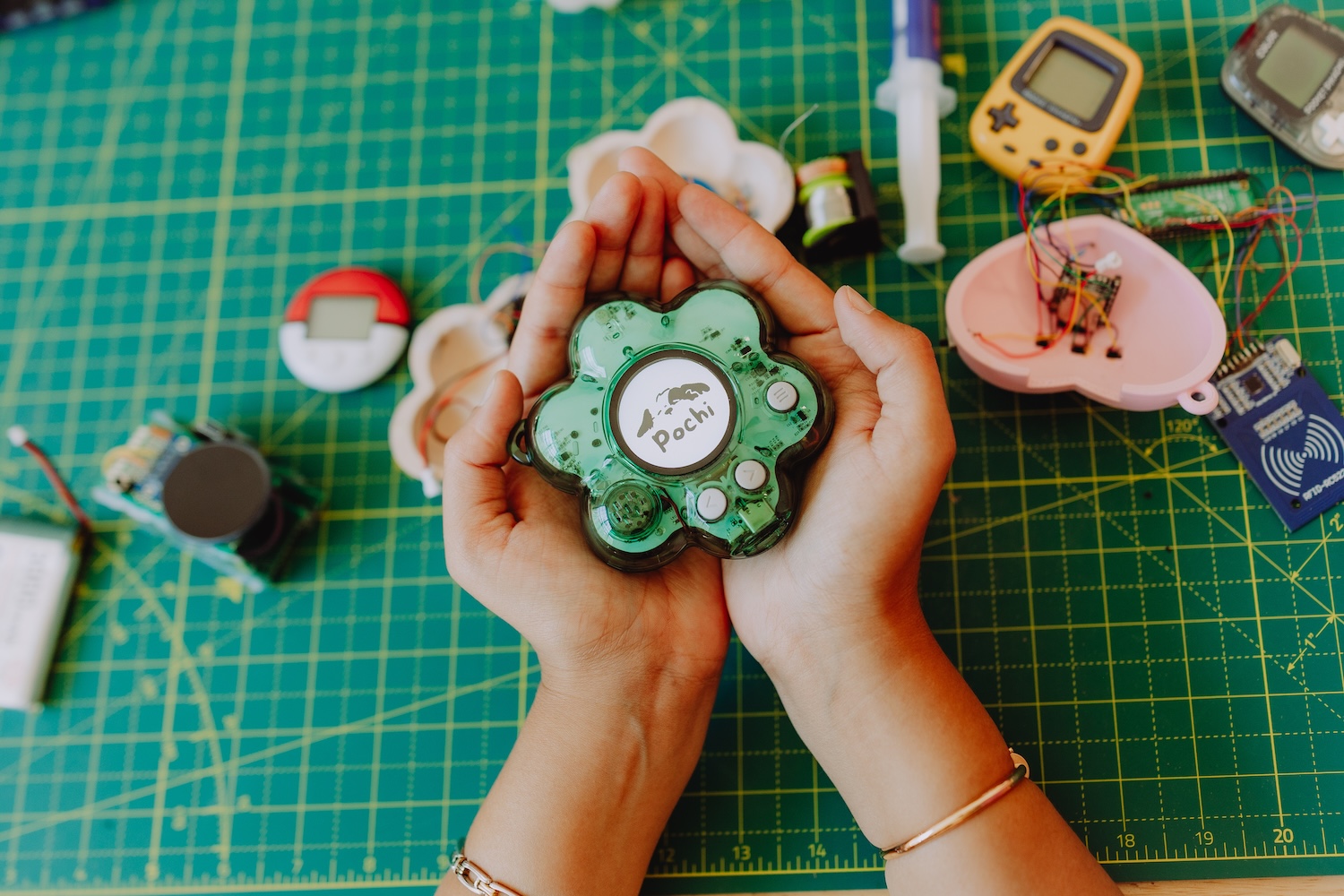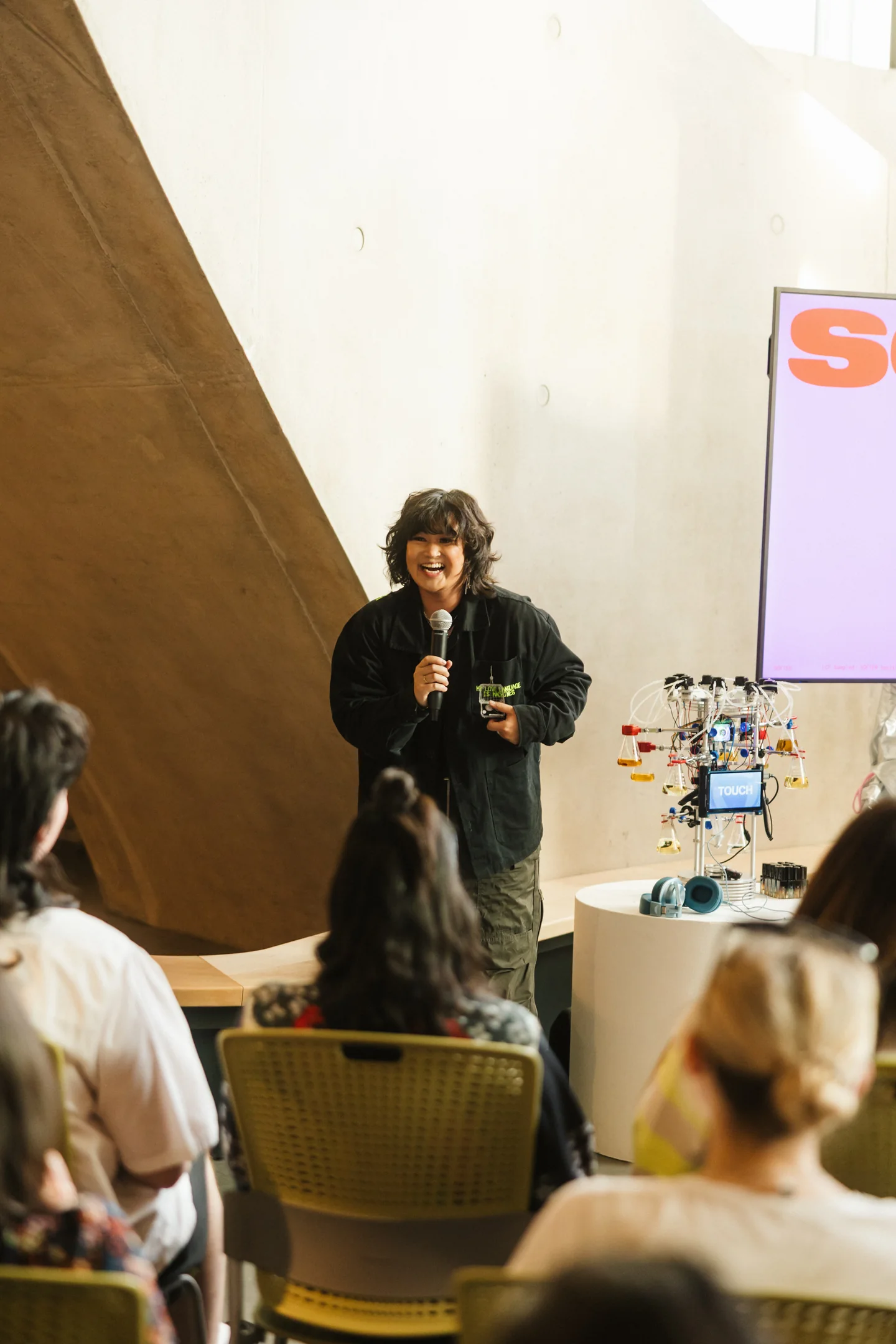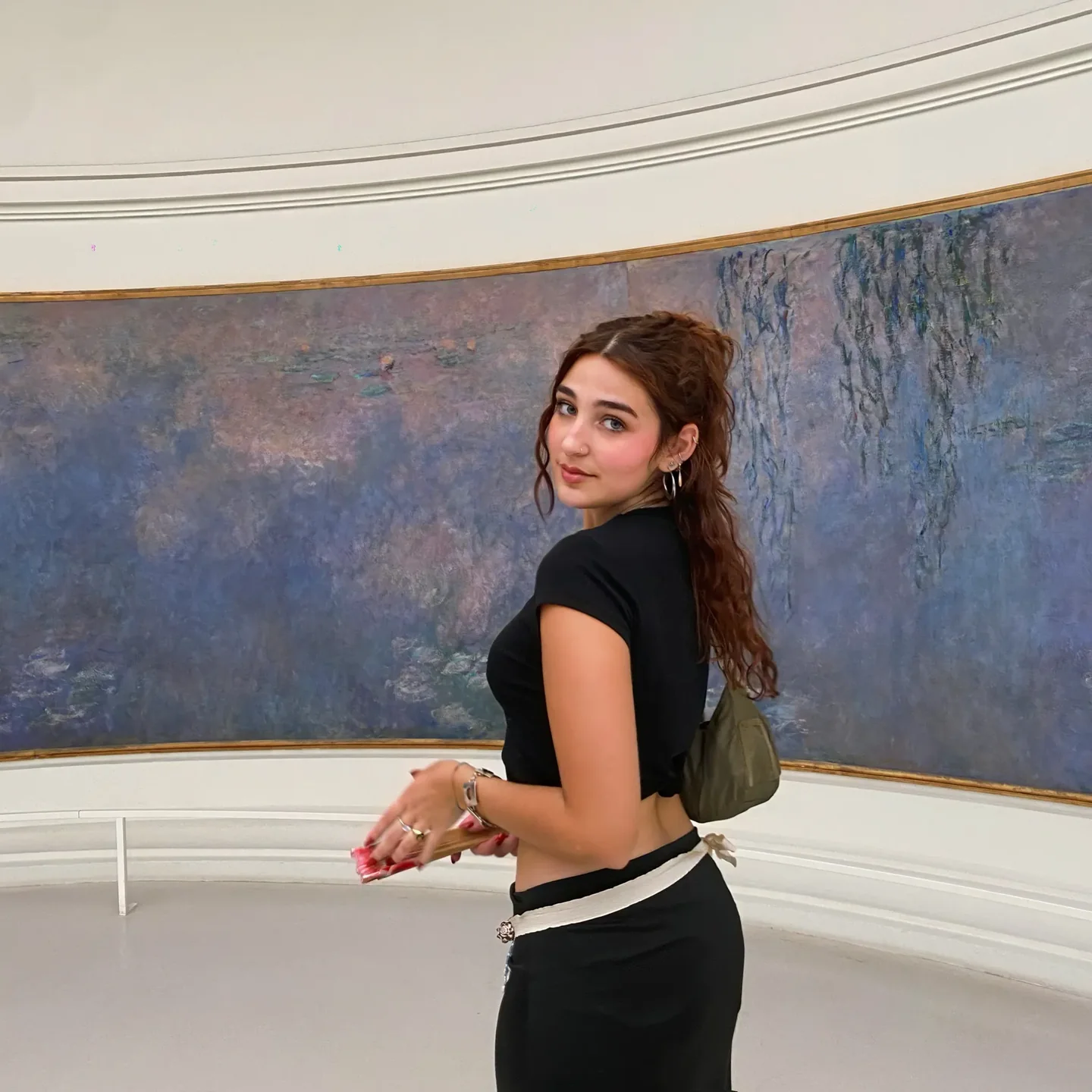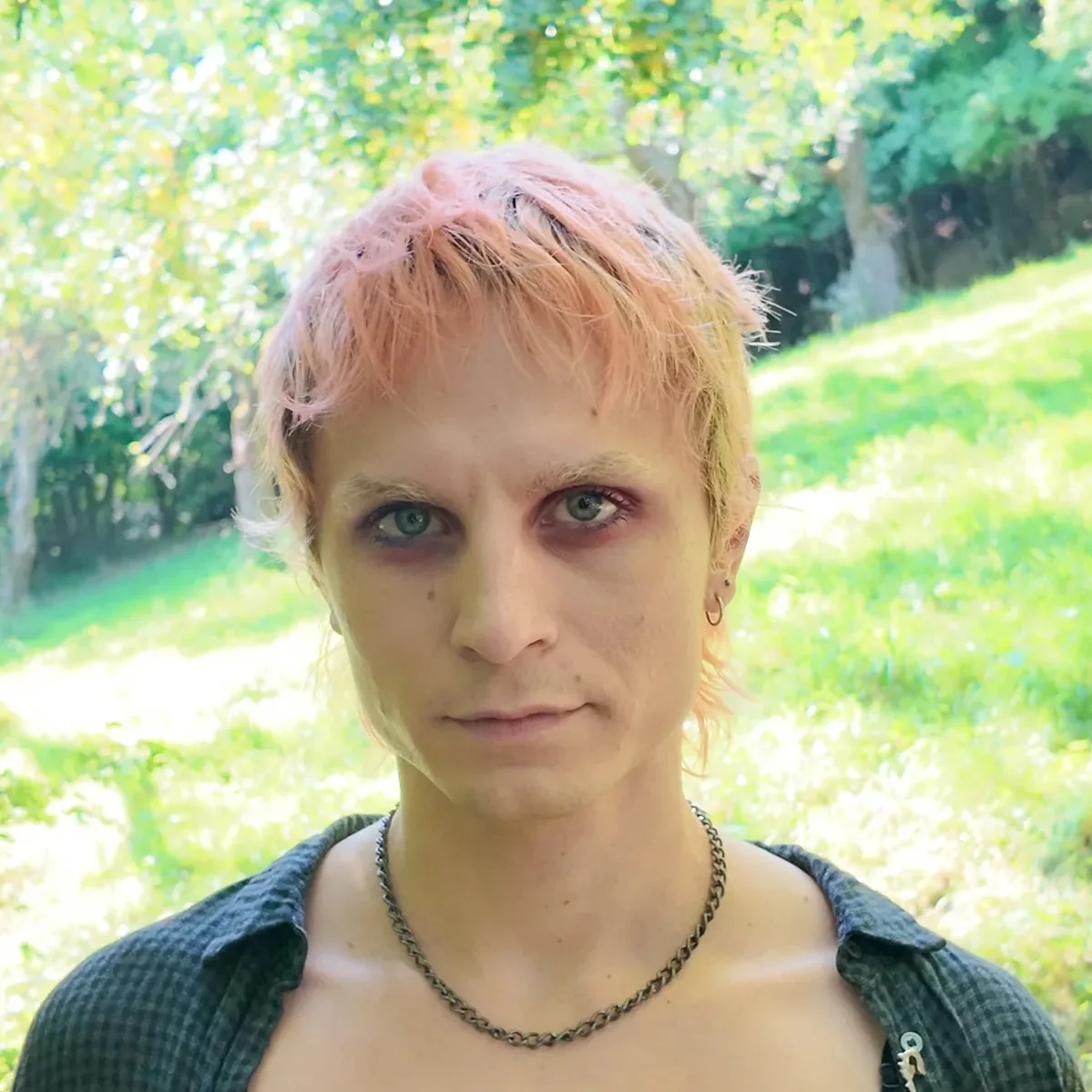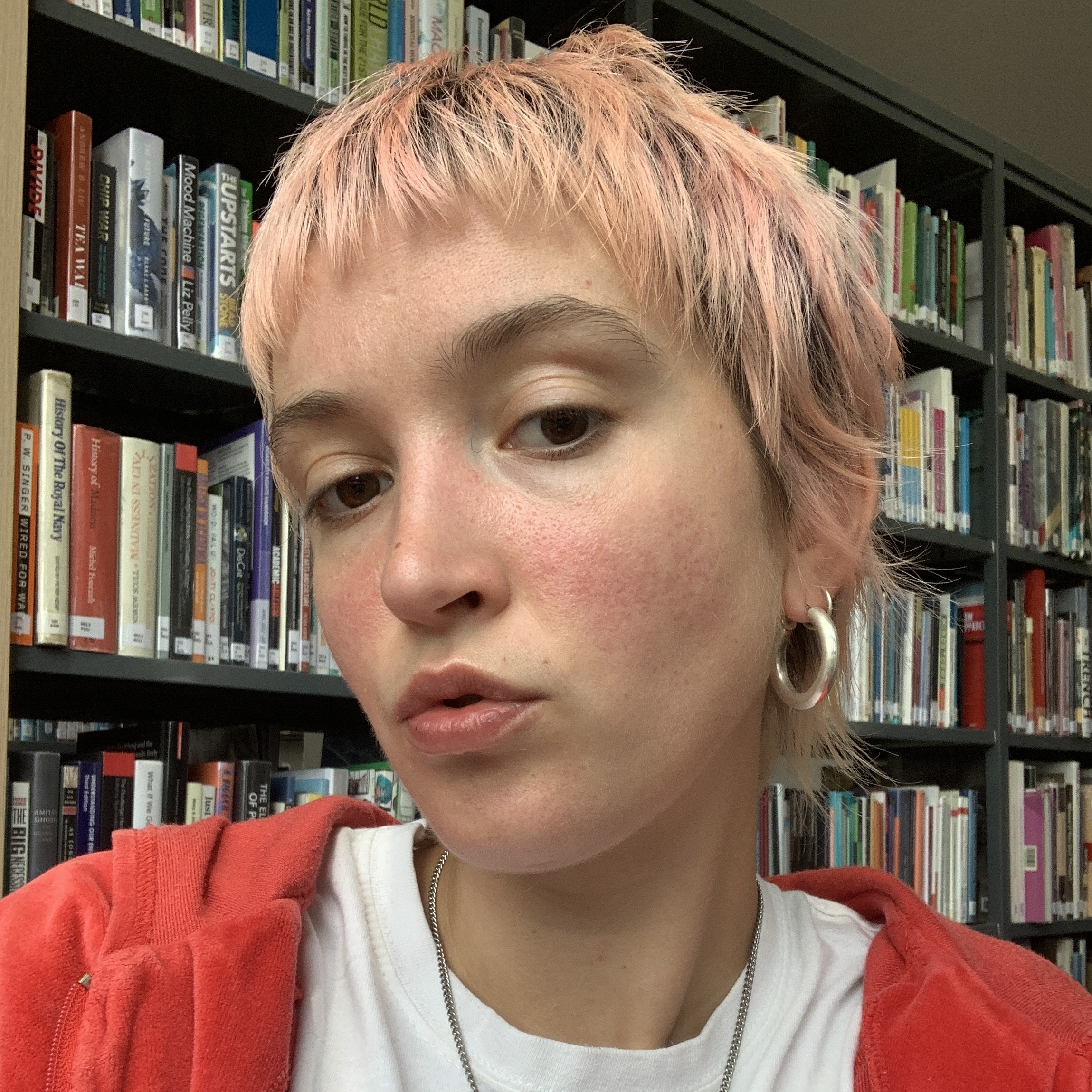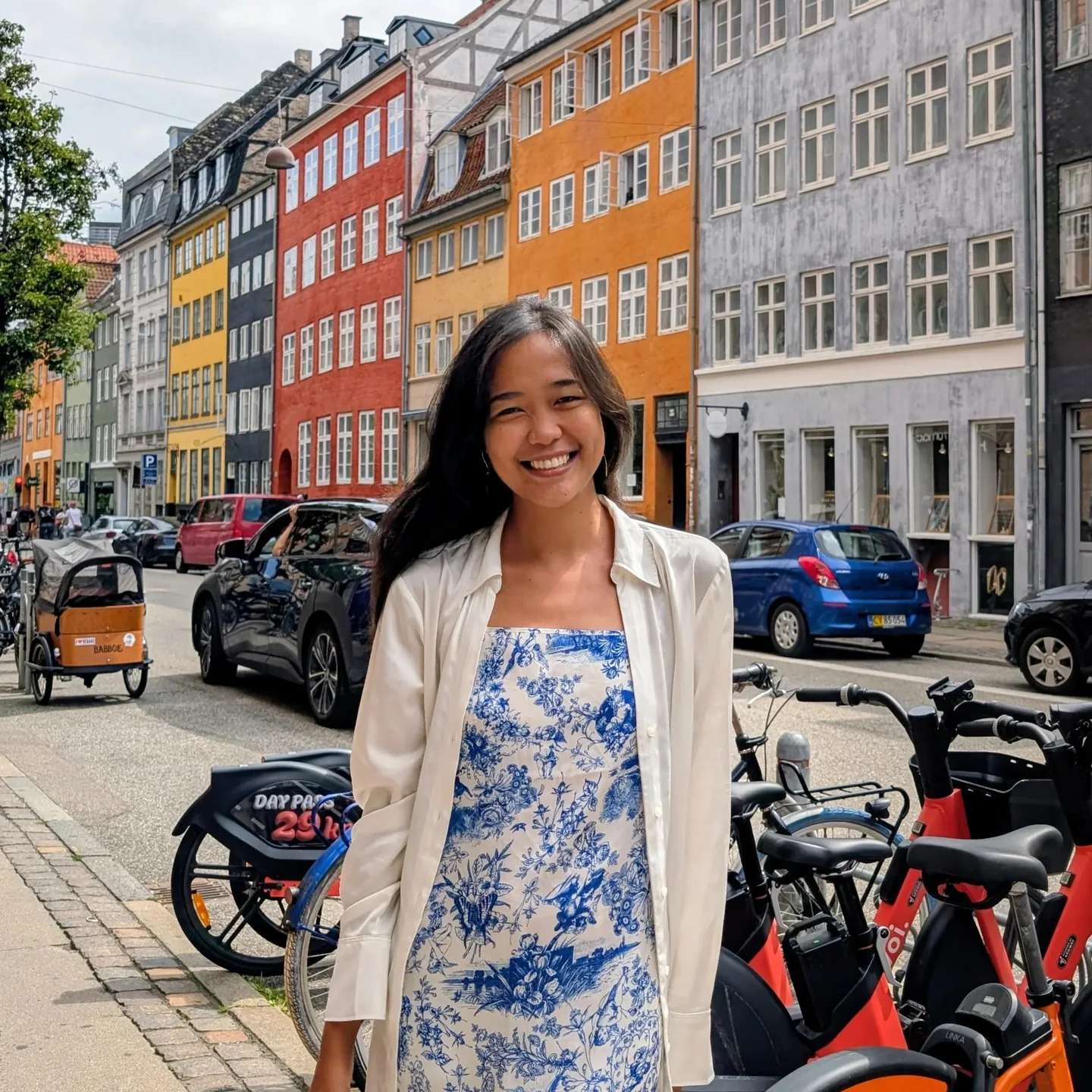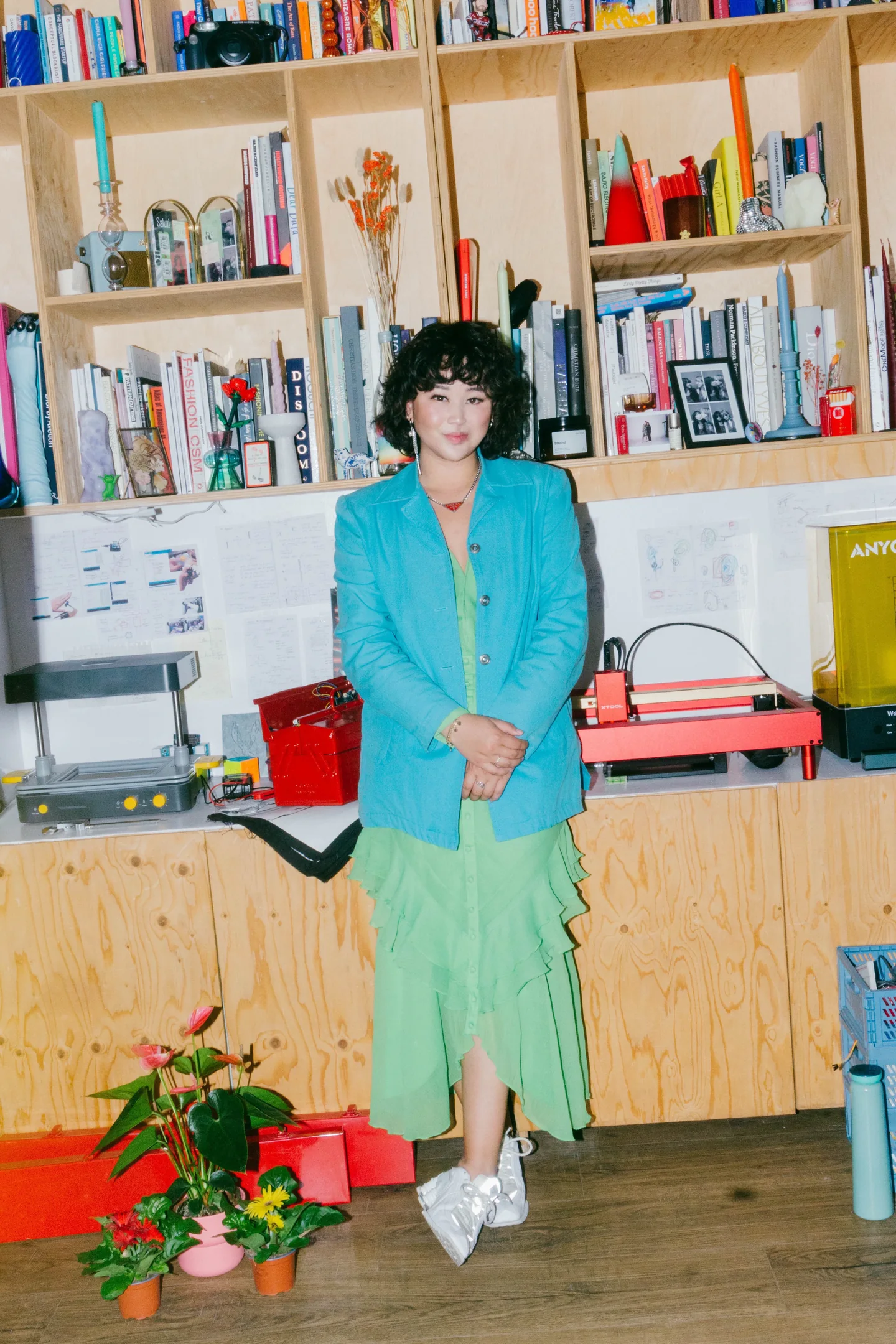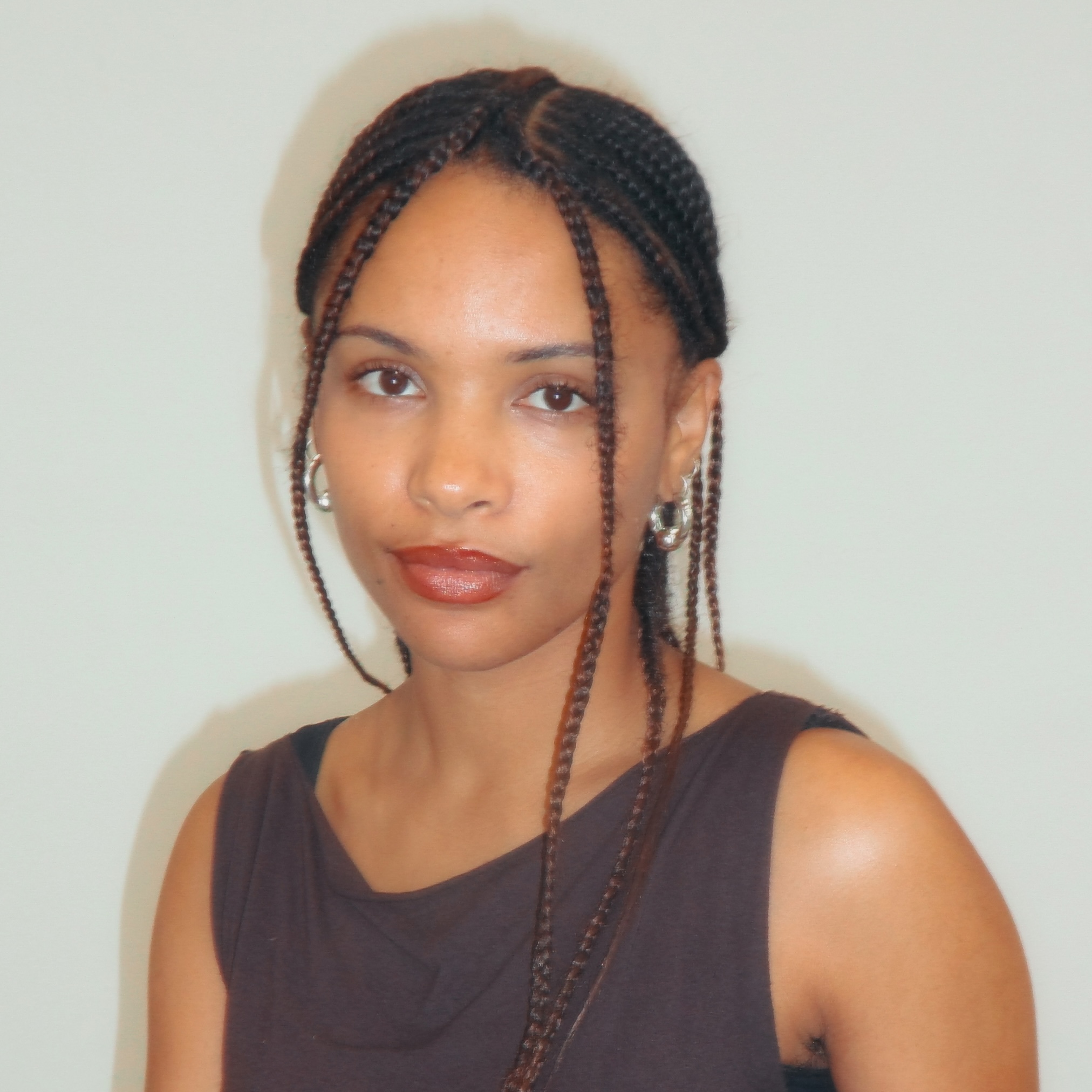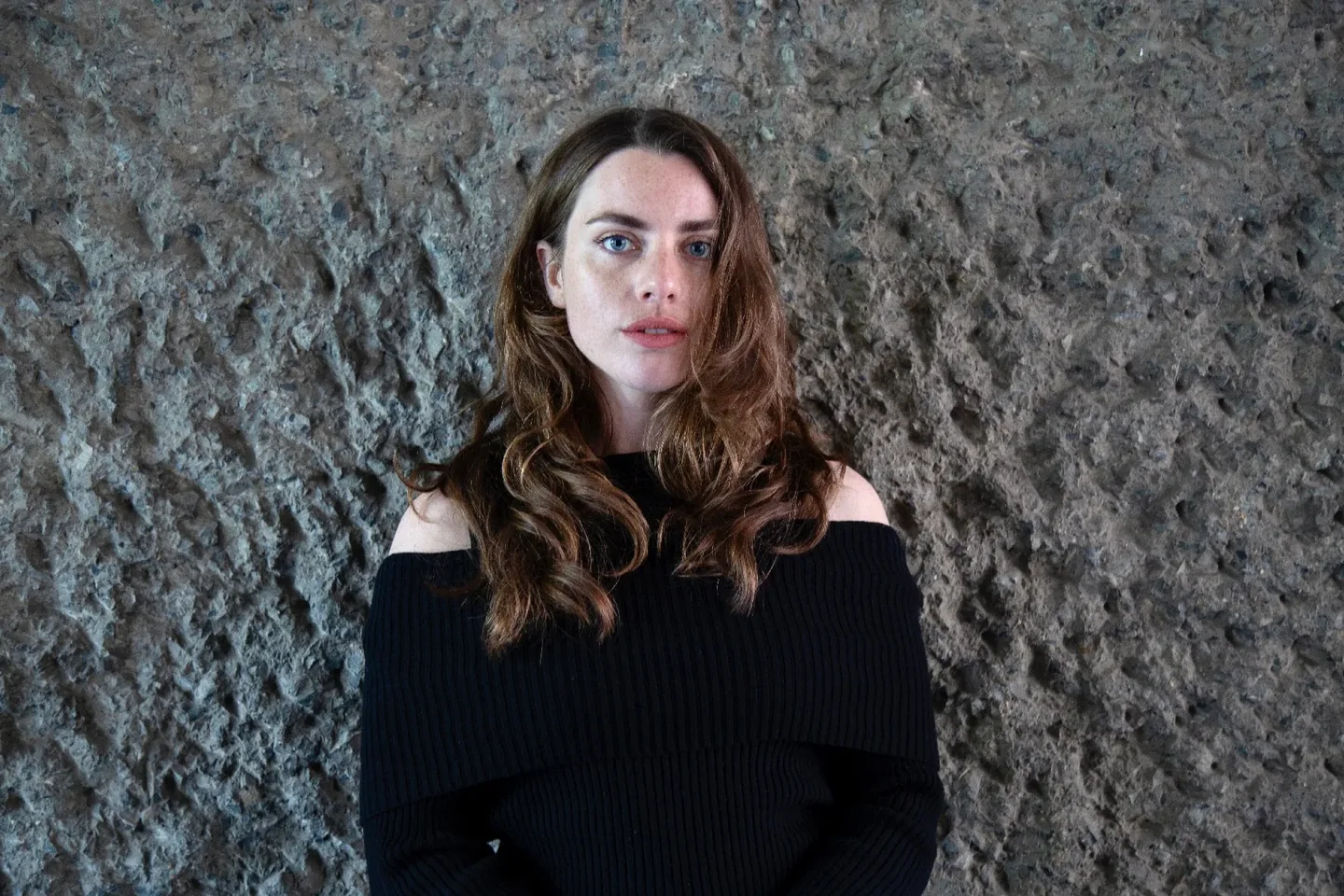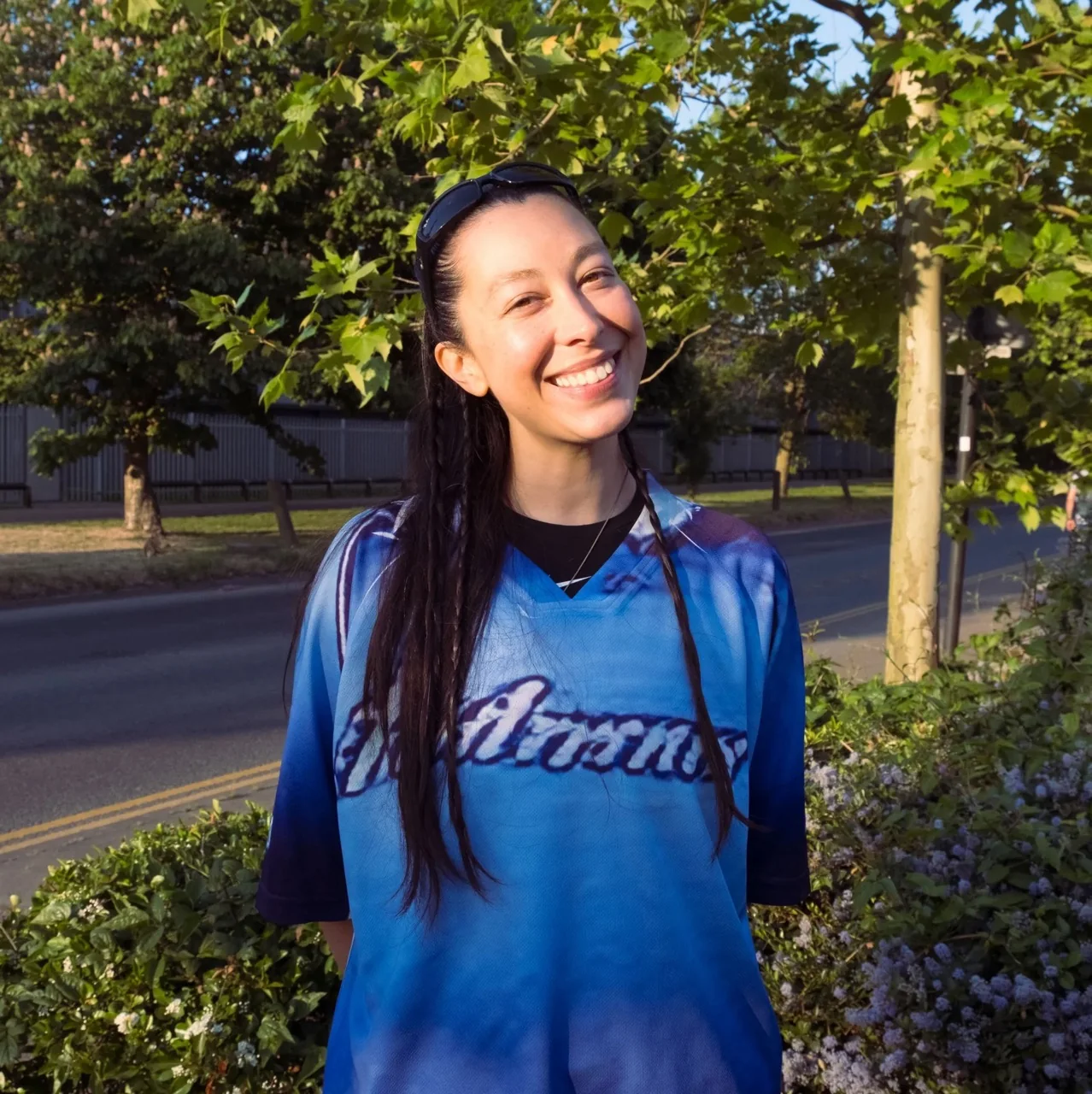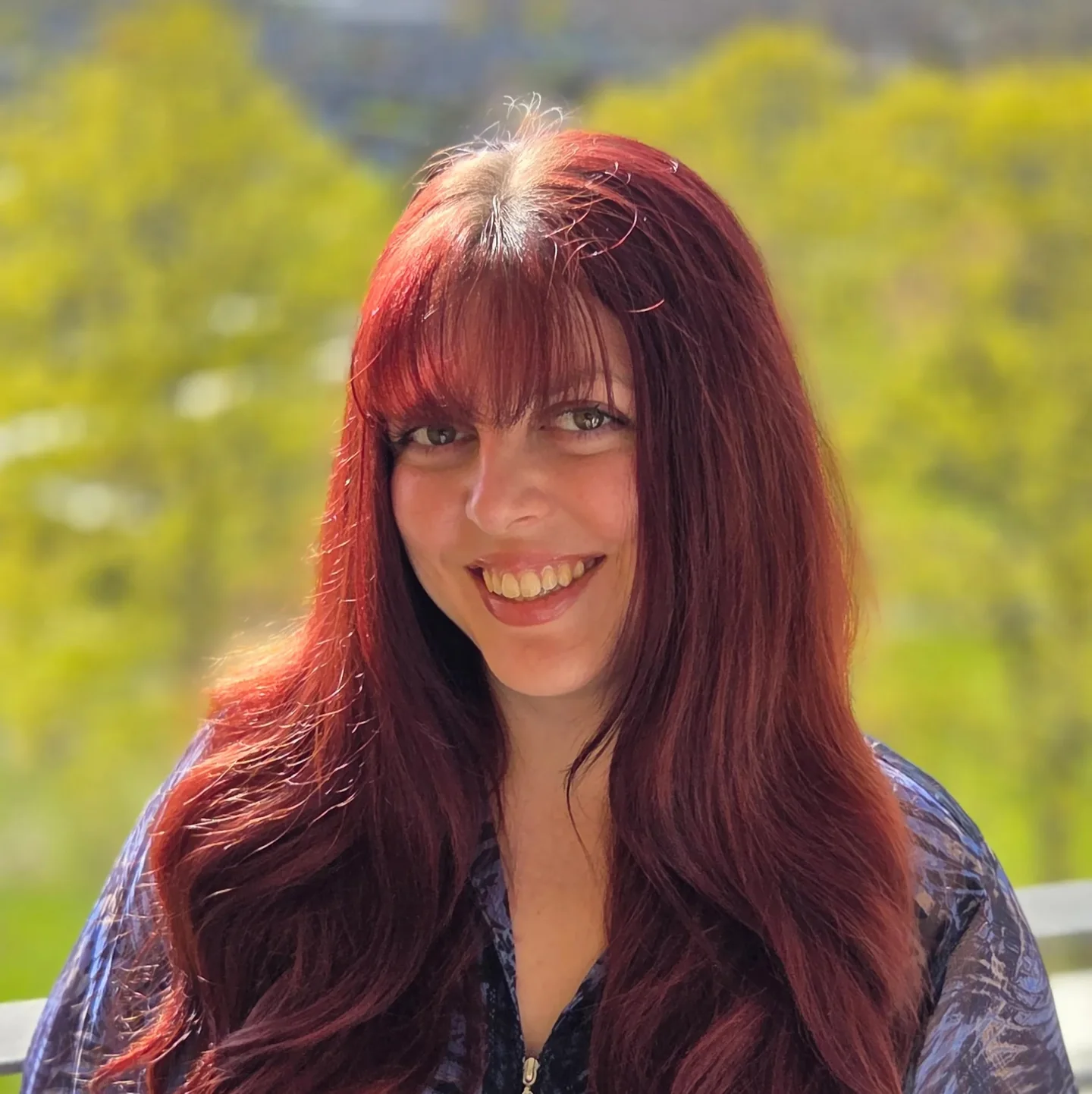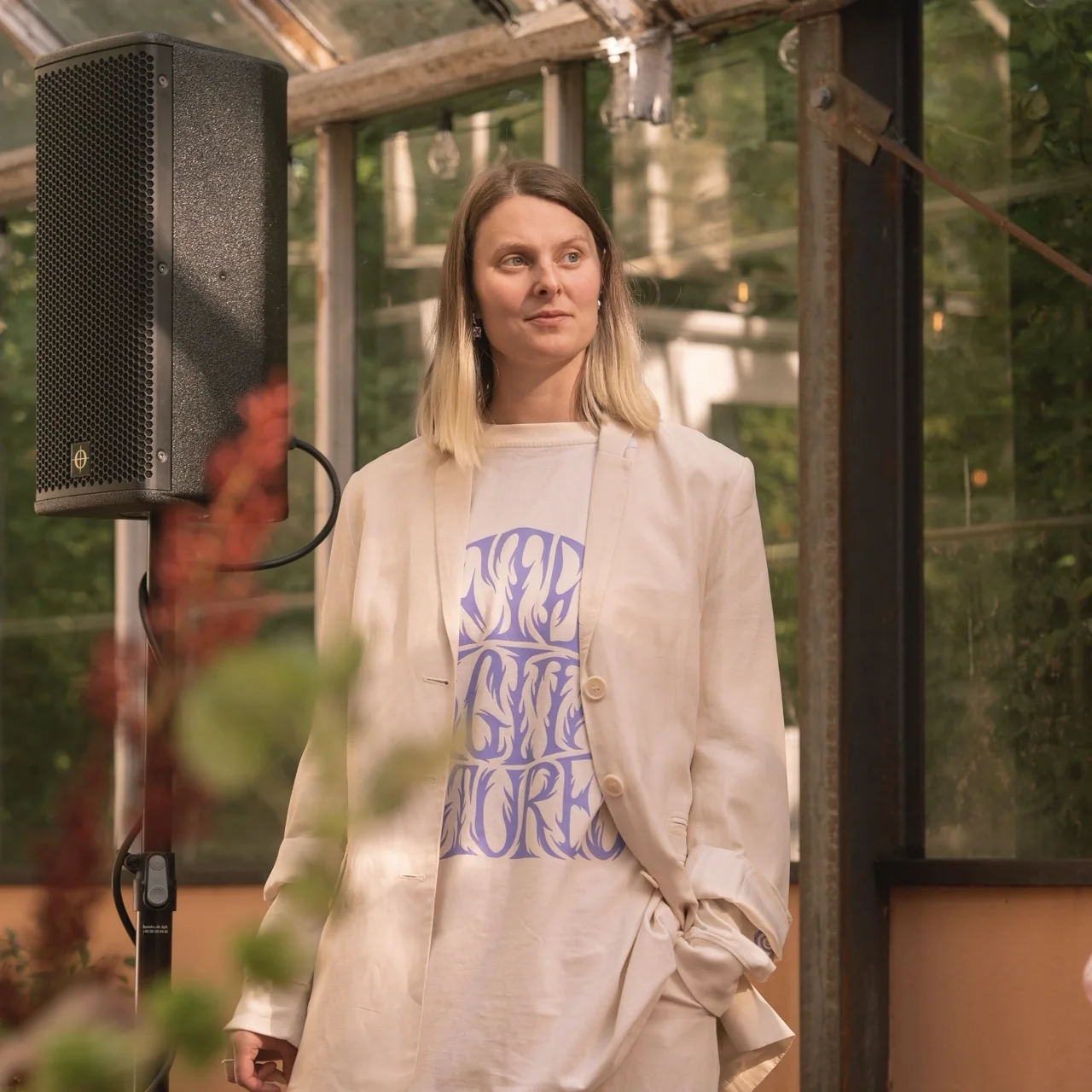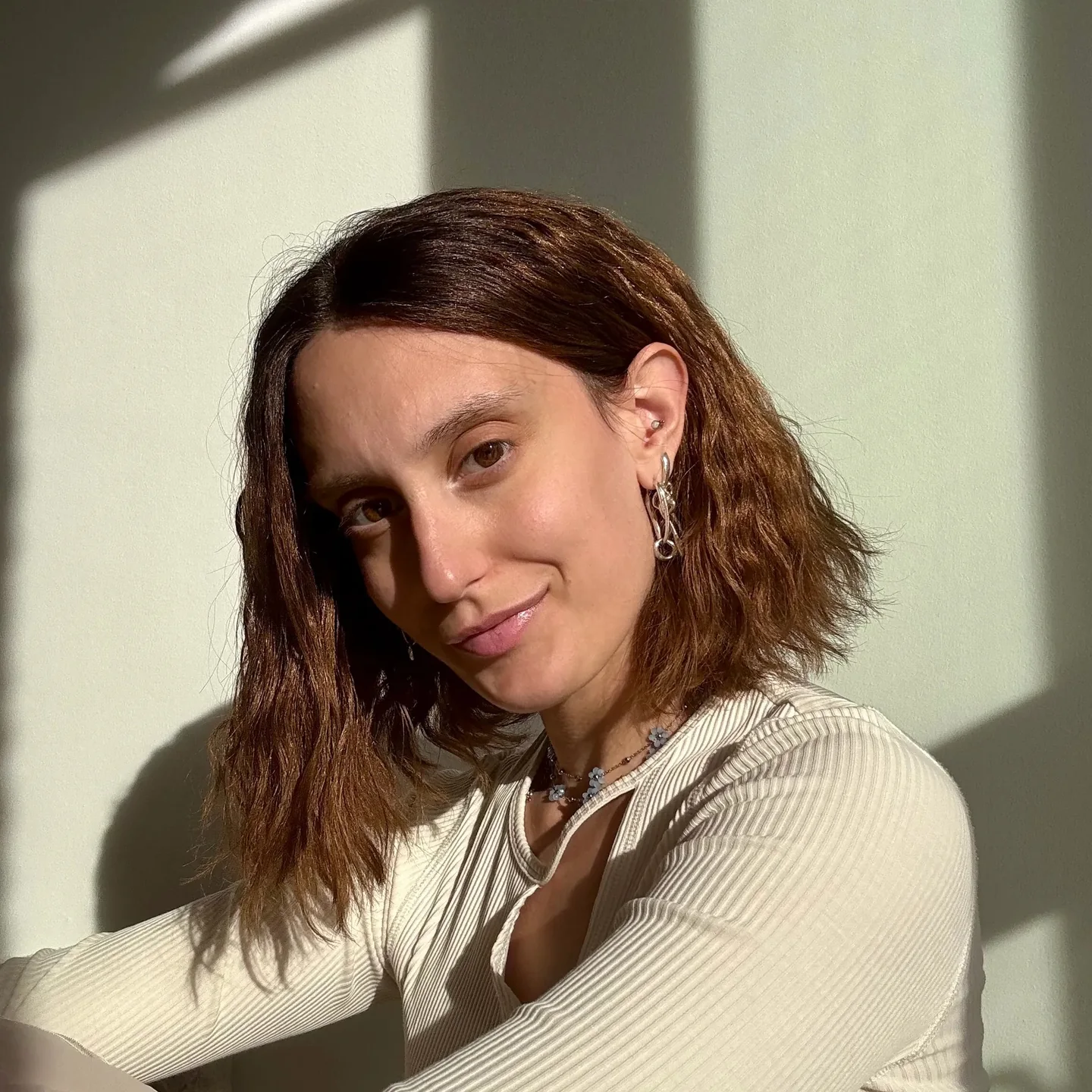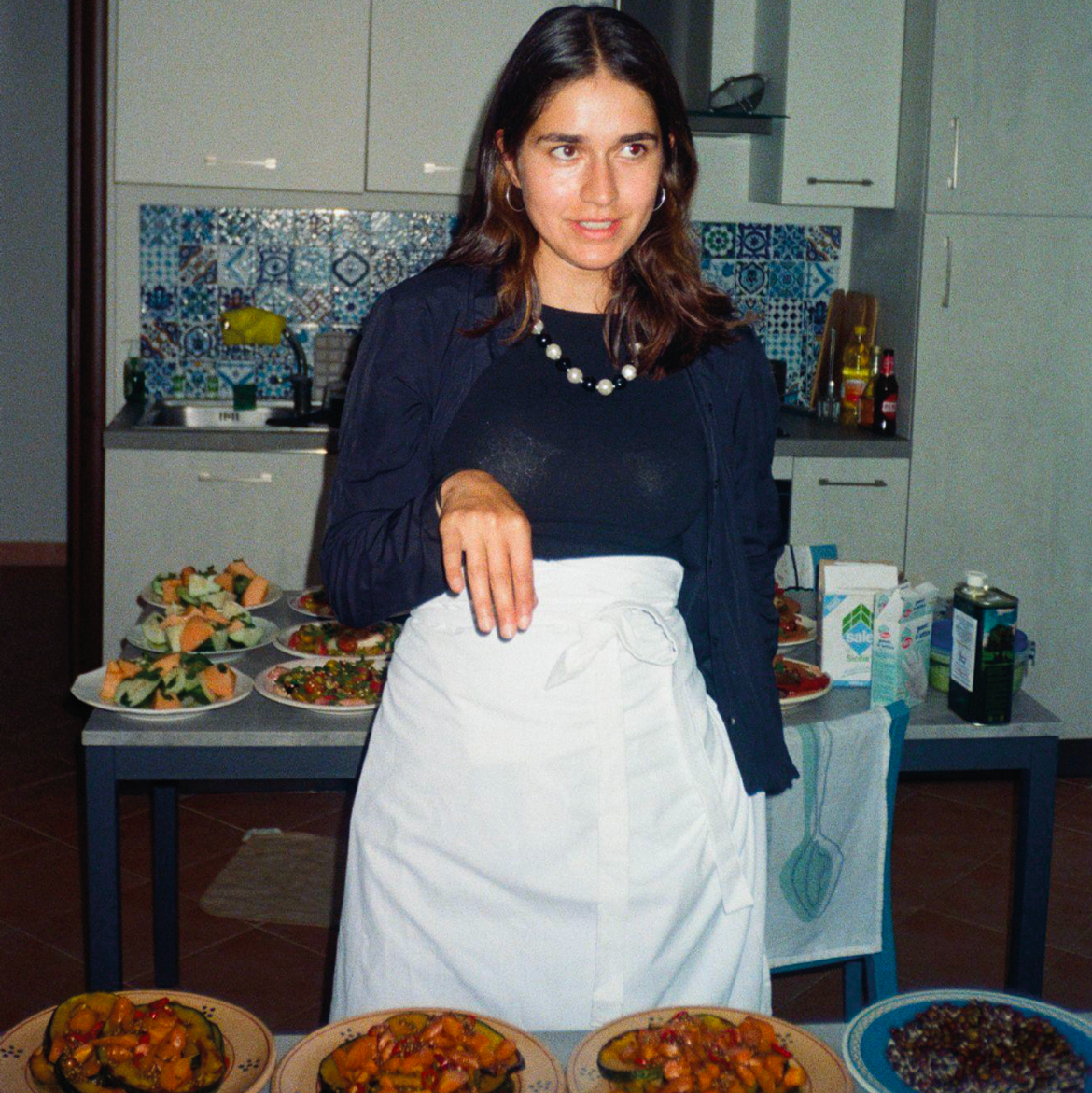

This year’s program will be intimate, interactive and experimental. Our lineup is full of amazing designers, artists, creative technologists, engineers, coders, thinkers, activists and educators. They will take you into their worlds and invite you to participate in hands-on workshops, insightful talks, communal conversations and playful experiences across our three focus areas: software, hardware and worldware.
The program is softly taking shape and will be updated continuously.

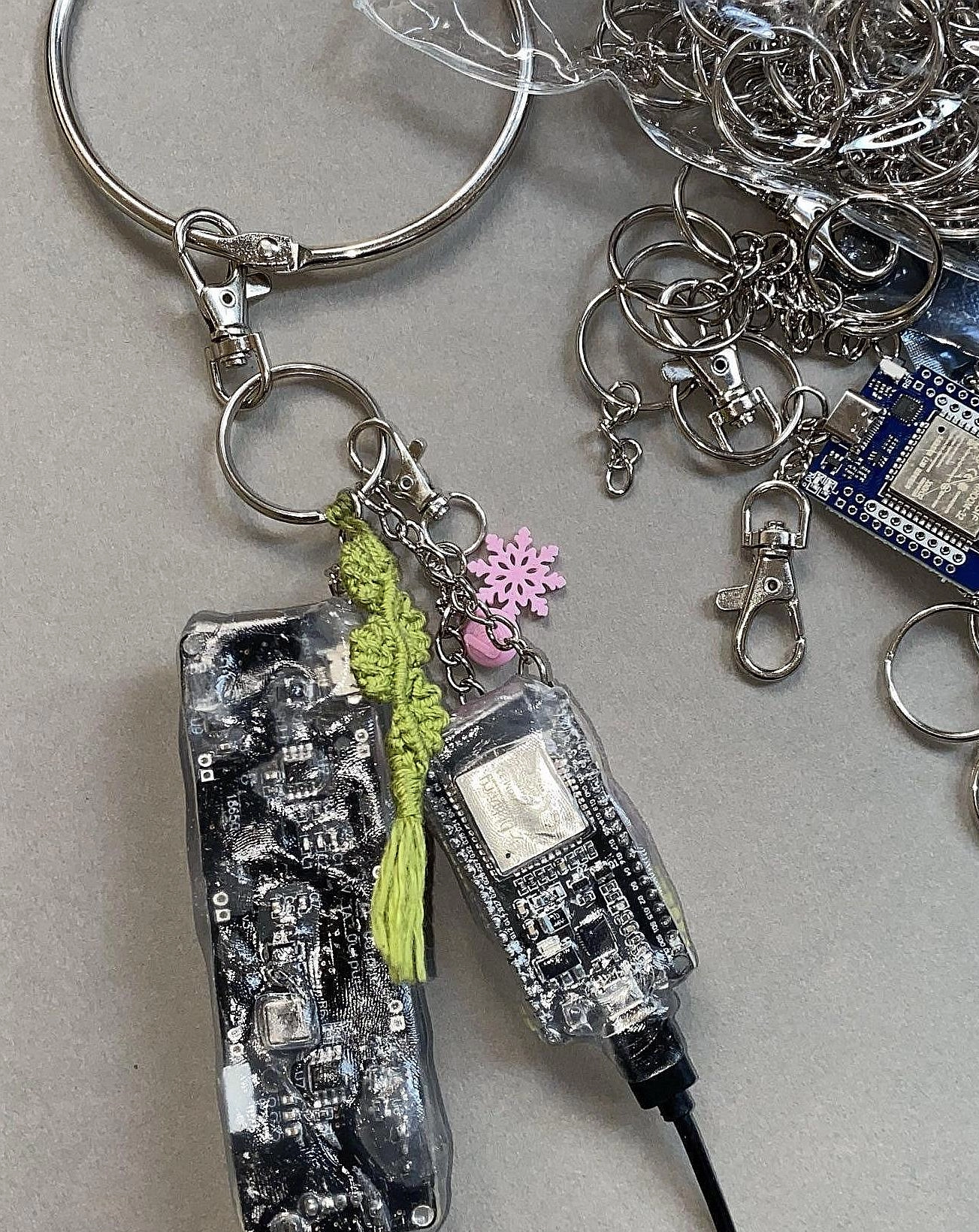
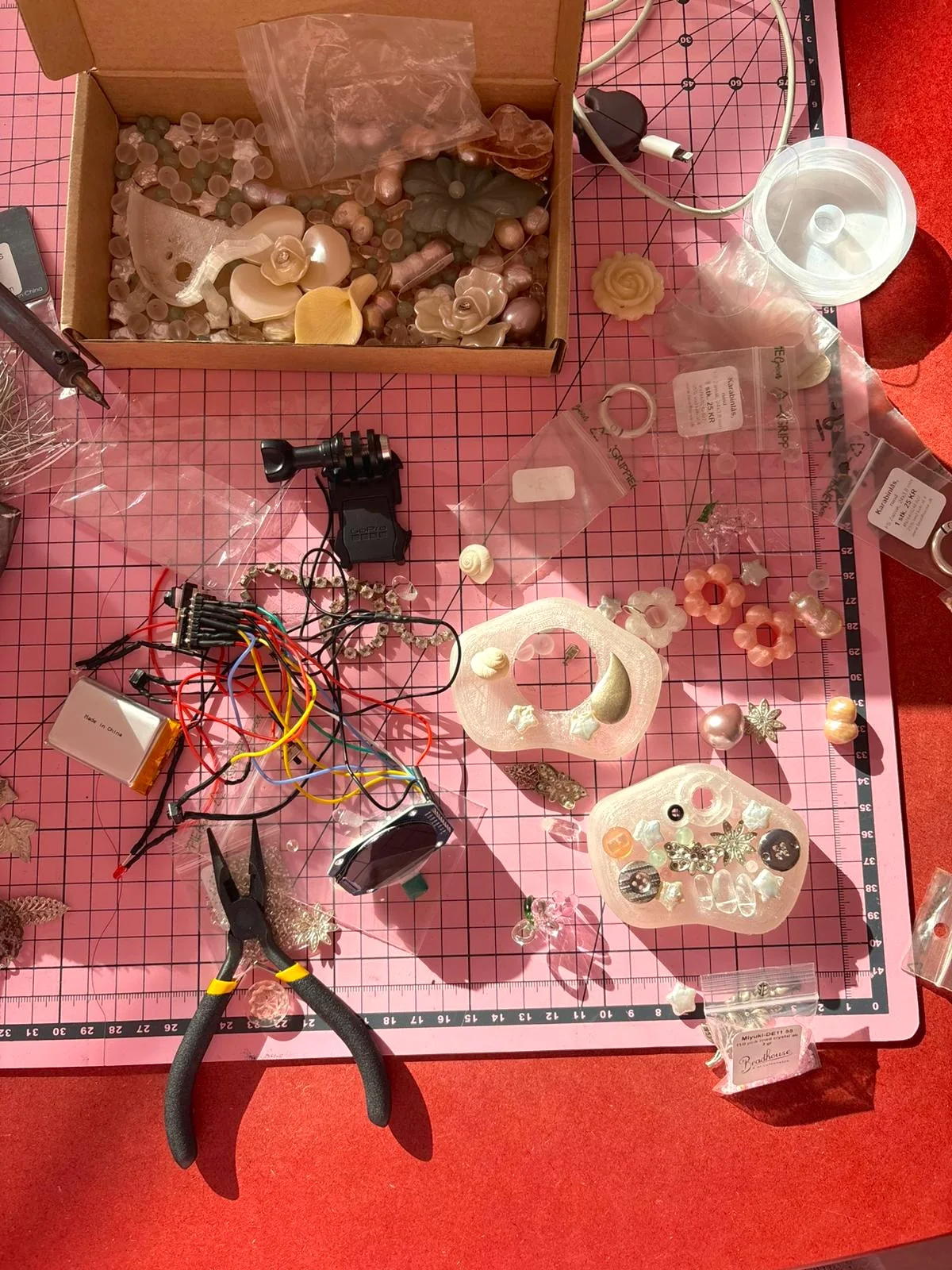
A hands-on workshop on making – and teaching – soft electronics
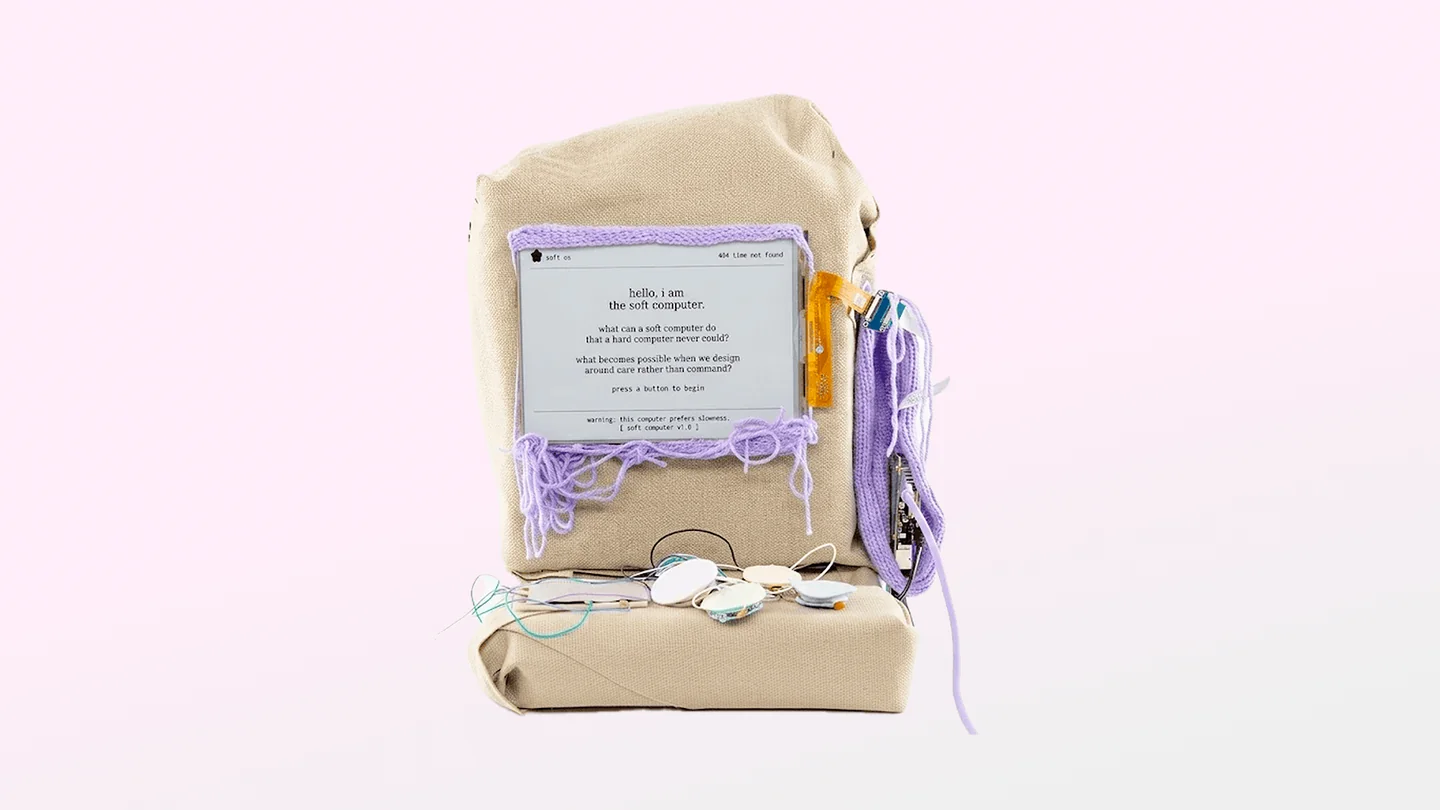
Led by Alanna Okun and Yafira Martinez, this 3-hour workshop introduces participants to soft electronics through the process of building a tiny soft computer – a small, tactile object made from fabric, wiring, and simple electronic components. No prior experience with code, hardware, or soldering is required.
Drawing on their combined backgrounds in making and teaching, the two facilitators guide participants through both the build and the pedagogy behind it — how the kit was designed to be beginner-friendly, how to sequence hands-on instruction, and how to make electronics feel approachable rather than intimidating.
Participants leave with their own tiny soft computer, along with a working framework for teaching physical computing to others. The workshop is suited for makers, educators, and anyone curious about both building and sharing this kind of hands-on technical work.


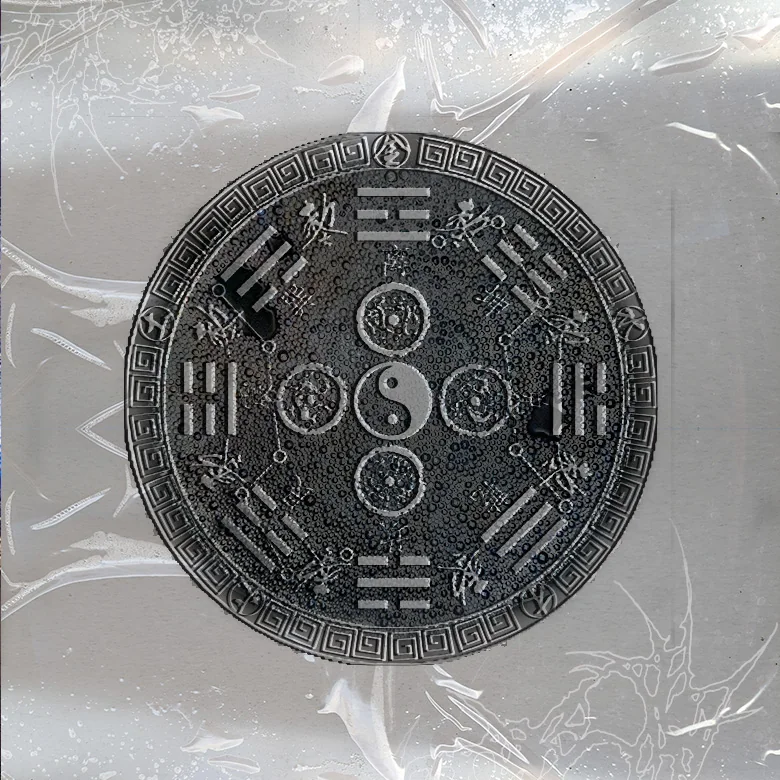
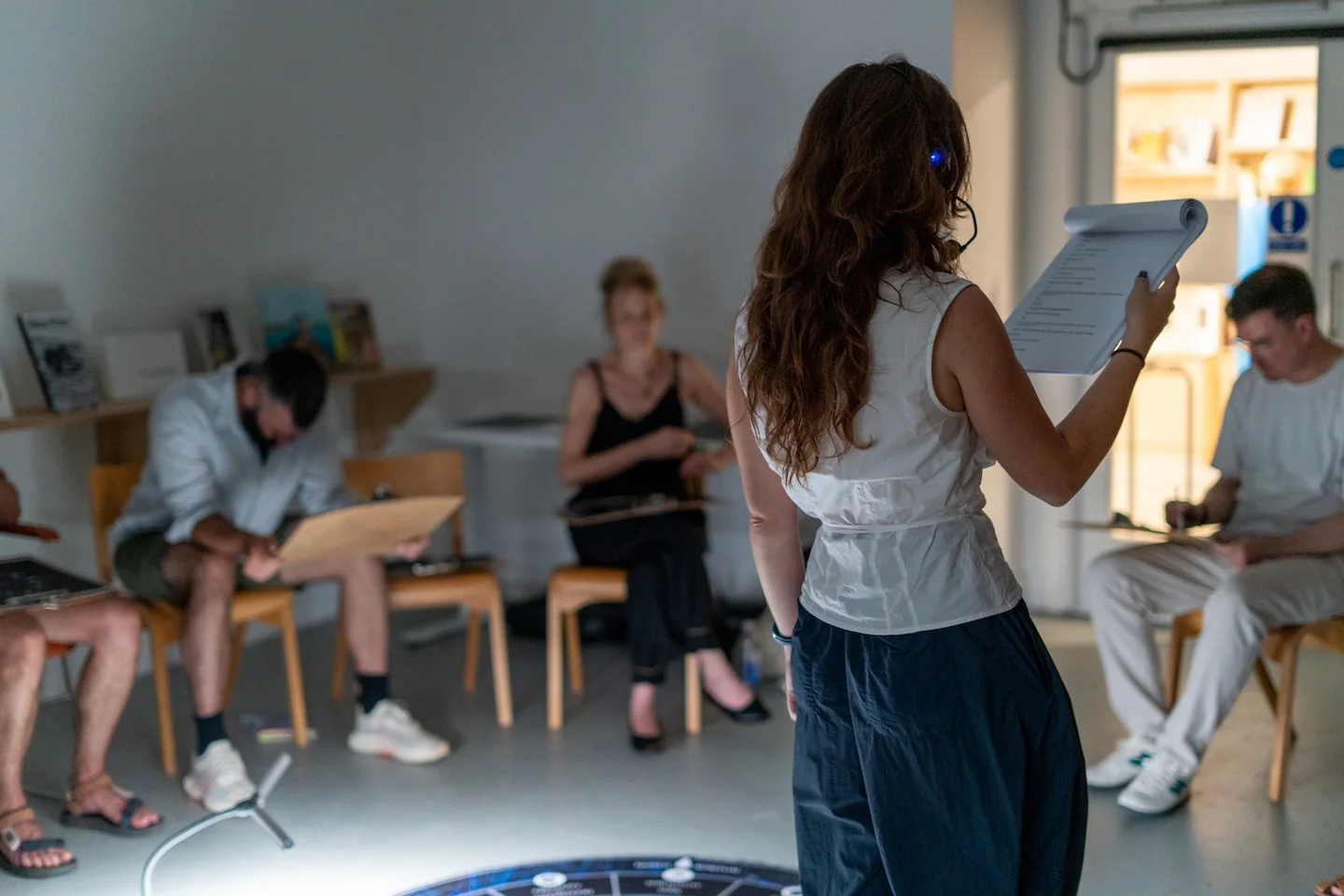
Coded rituals explores the concept of wu wei (無爲) and how ancestral rituals and eastern philosophies can inform temporary cosmology in the collective space: a listening chamber where bodies, frequencies, rhythms and images entangle.
Through a sonic, embodied visual ceremony, the space is positioned as an altar with offerings through field recordings, contorted sounds and experiential visuals. The crowd becomes a living organism, experiencing and sensing collectively.
Coded rituals is part of Reciprocity, an environment for artists, thinkers and creatives to engage in participatory discourse, presentations, and guest offerings to explore digital mythologies, techno-spirituality, and its emergent culture. The first event at UAL had themes on dao, impermanence, entanglement, unknowing, unlearning, vessels, animism, mythologies, non-dualism/Anti-Cartesianism, embodiment, sensing, and quantum theory.


In this session we ask the questions; What if the future of computing is homemade, what if we could build with the components we need, the aesthetics we want, and have full agency in both form and privacy?
Homemade hardware and electronics are a fast growing concept, bridging the DIY hacker community and the creative technologists. Homemade devices such as cyberdeck are not built with a purpose of replacing our big-tech products just yet, but does it have the potential?
In this panel we will meet three talented practitioners who make and teach electronics, the session begins with individual presentations followed by a panel.
More information to come.


An introductory Touchdesigner workshop for anyone curious about where the senses and generative computing meet. We'll open with conversation on sensuality and altered perception before moving into practice: building generative forms that carry that same sensory feeling.
Expect soft geometries, responsive movement and an emphasis on experimental image making as a way of understanding the potential within Touchdesigner.
No prior experience necessary.


To reclaim technical objects is to also reclaim our own modes of relating to them, which isn’t an easy task thanks to our tech overlords and their century long splitting of the world into designers and users of technologies. The stabilization of the designer-user dichotomy helped normalize the narrative of technical objects as being introduced to culture from the outside, like the Promethean gift offered from those above, ready for adoption. More than a rejection of this narrative on the basis of critique, we need counter-narratives that we can affirmatively endorse, embrace, and live with/as.
During this workshop, we will collectively inhabit one such counter-narrative, its central figure being the Technological Nomad who models a relationship with the technical object analogous to that which nomadic communities have had with the land. Through a critical-phenomenology exercise, we will each embody the figure of the technological nomad by locating ourselves on the terrain, recognizing the different walls that entrap us, and collectively identify cracks on these walls so that we can help each other begin to move again, to rediscover the nomads we’ve always been.


How does your digital self feel today? And who might you become in a softer, more intentional digital future?
In this workshop, we’ll explore our current relationship with technology, imagine what a desirable digital identity could look like, and create a symbolic avatar to guide that becoming: a seed, a talisman, a small signal from a future you.
Through reflection, guided meditation, and creative making, we’ll rethink how we want to show up online, with more softness, honesty, and care.

%20Large.jpeg)
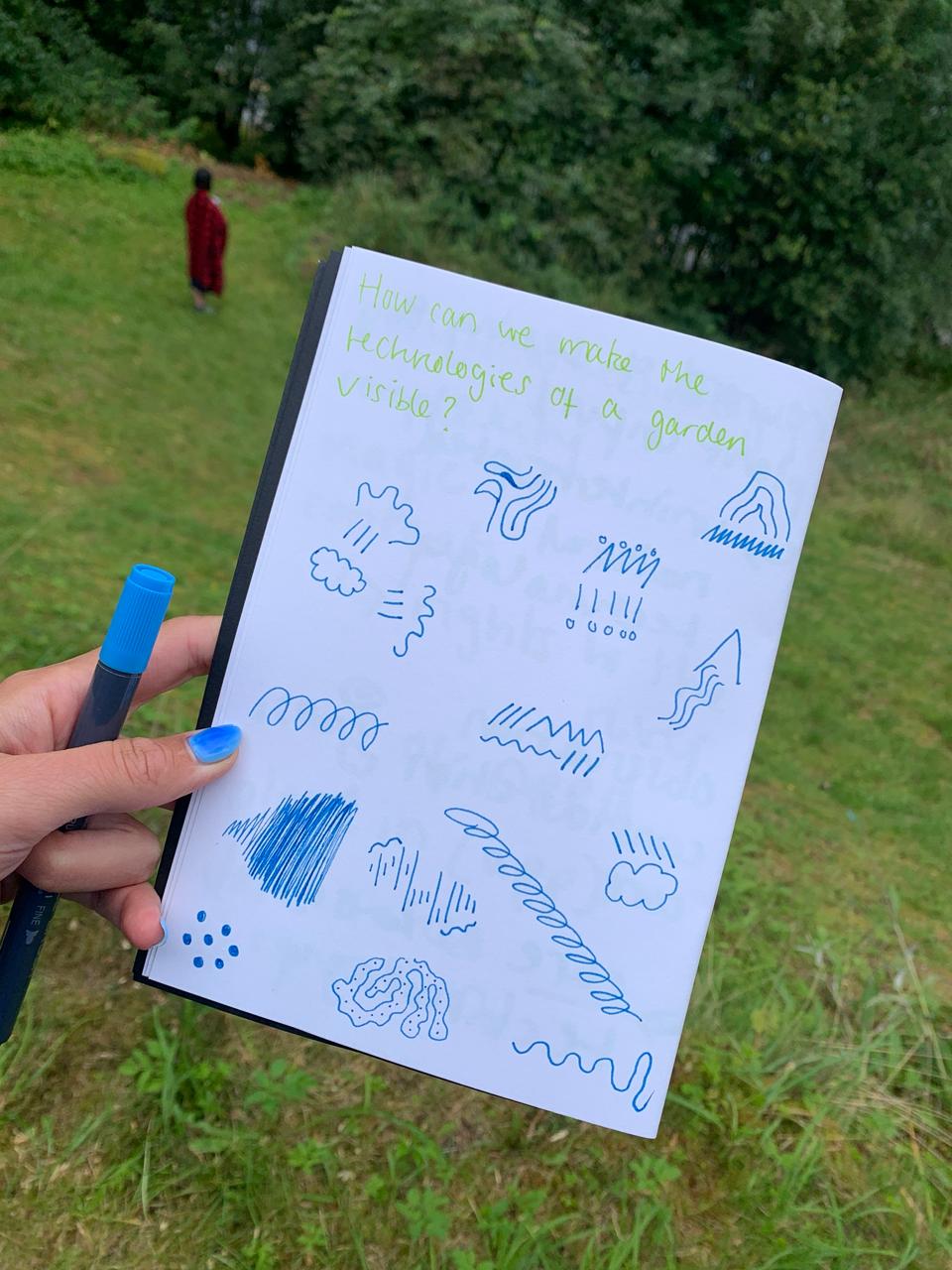
Glitch: Planting the Cyborg City is a hands-on workshop exploring how digital technology, people and more-than-human life can work together to shape greener cities.
Beginning with a short introduction to Glitch, a nature-tech platform for growing, mapping biodiversity and reimagining urban space, the workshop introduces the idea of the cyborg city: a city in which digital systems and living systems are not treated as separate infrastructures, but can work together to help people understand, care for and actively shape the places around them.
Participants will then move from screen to soil.
Working in small groups, they will use the chatbug as co-design tools, alongside drawing, mapping, seeds, plants and modelling materials, to imagine what a particular garden or growing space could become.
The exercise asks participants to design with the site considering human needs alongside sunlight, soil, water, insects, plants, pollinators and other species.
The group will then collectively plant the glitch garden at Softer, turning the digital and speculative design process into a physical intervention.
The workshop explores digital tools as a form of placemaking and asks:
What happens when designing a cyborg city becomes a conversation between people, technology and the living world?

%20Large.jpeg)

To welcome us to The Harmonie, we’ll start Thursday with a talk by Carla Cammilla the woman behind the Harmonie and wifey of SOFTER co-founder Nicole.
Carla will take us on a journey through two decades of creative entrepreneurship, building and directing multiple visionary companies such as future living lab SPACE10, philanthropic foundation re:arc institute, cultural studio ArtRebels, and passion projects: Social Service Club, Trailerpark Festival and The Farm Residency.
After many years of working on ambitious projects and moving at a fast pace, Carla Cammilla decided to shift her focus and start building a different kind of world closer to nature, community and a slower pace.
In Stevns, where she has already been running The Farm Residency, she has begun bringing this vision to life. Earlier this year, Carla and Nicole acquired The Harmonie together, taking on the task of transforming the old building into a new cultural home - a combined culture house, rehearsal residency and culture academy.
In this talk, Carla Cammilla will share the twists, turns and lessons from her journey and reflect on what it means to build a creative life on your own terms, nurture the rebel spirit, and keep creating space for new ideas and emerging talent.


Soft Launch is our opening gathering, a chance to arrive, settle in and get to know the space and each other.
Come share a meal, meet the people behind SOFTER , explore The Harmonie and ease into the programme. No talks, no agenda - just good food, conversations and a first taste of what’s to come.
Consider it the soft beginning of three days of collective learning, making and imagining.


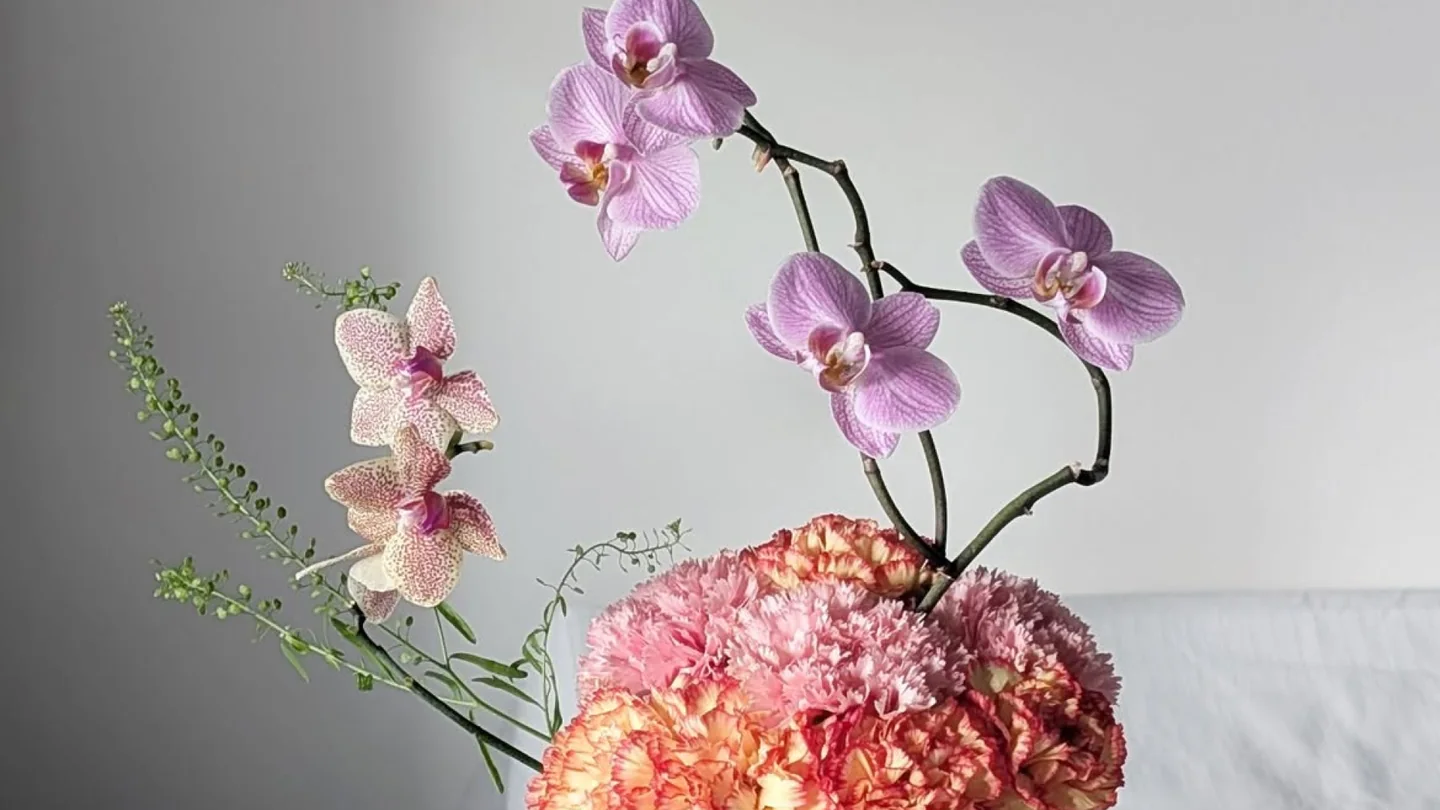
Ikebana (生け花) is the Japanese art of flower arrangement, a practice of appreciating nature, embracing creativity, and creating with intention.
In this gentle, hands-on session, we will slow down and explore the nature surrounding Rødvig, Denmark. Through a walk, we will notice the changing season and find inspiration in the shapes, textures, colors, and quiet details of early autumn.
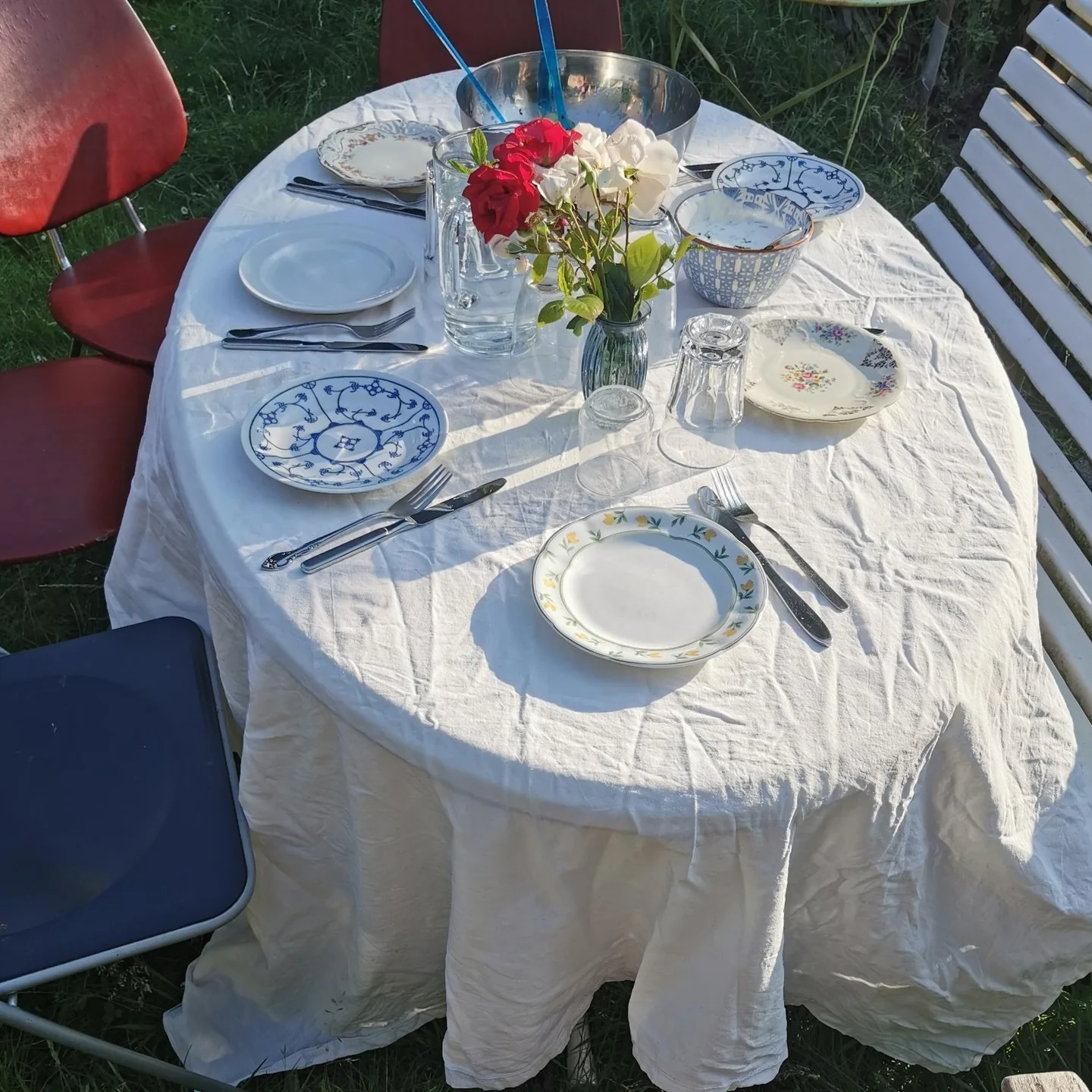
Inspired by what we discover, we will take a contemporary, nature-led approach to Ikebana, exploring space, balance, seasonality, and intentionality while leaving room for experimentation, play, and personal creative expression. We will create our own arrangements and bring them together to decorate our shared dining table for the evening.
More than arranging flowers, Ikebana & Nature Rest-Shop is an invitation to pause, notice, and create, a personal and collective expression of the softer world we want to build together.


If like any machine, you came with a user manual, what would it say?
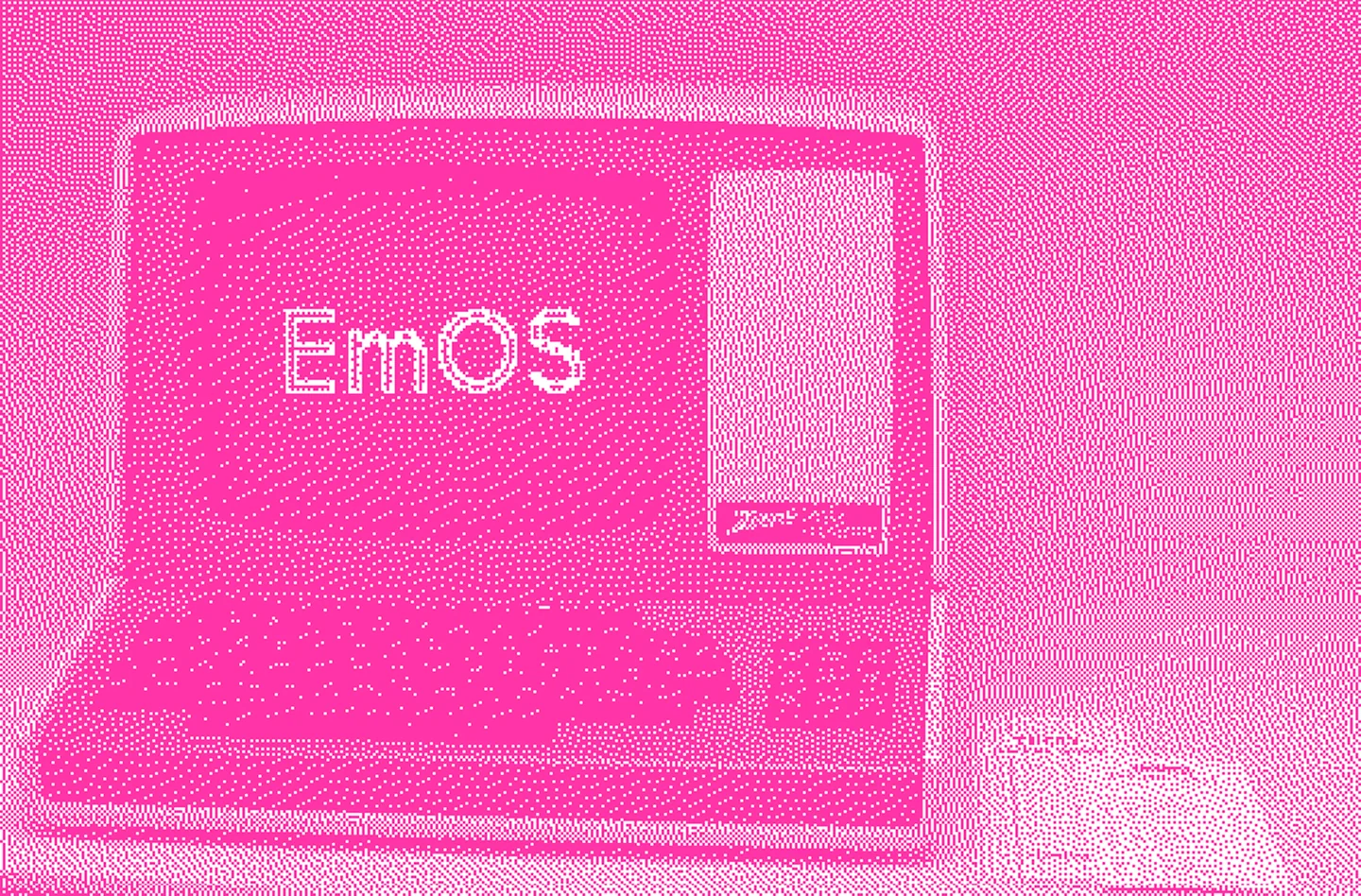
Most of us are running on patterns we didn't consciously choose, have never updated, and have no documentation for. In this playful, hands-on workshop, we'll borrow the language of Operating Systems to explore the invisible processes that shape how we think, feel and respond. Together we'll map our background processes (the defaults running in the background), interrupt signals (what throws us off course), crash reports (moments that reveal something worth paying attention to), optimal conditions (that help our systems run smoothly).
You'll build your own EmOS manual in a custom zine designed by Cash & Carry Studio, leaving with a personal guide to the system that runs you. Through reflection, conversation and imagination, we'll explore what becomes possible when we approach ourselves with curiosity — and recognise that our internal operating systems, like any good software, can evolve over time.


Our lineup brings together amazing practitioners working across design, art, creative technologies, coding, engineering , research, activism and education. We’re welcoming back familiar faces from the SOFTER network, alongside new softies that we’re excited to welcome into the community.

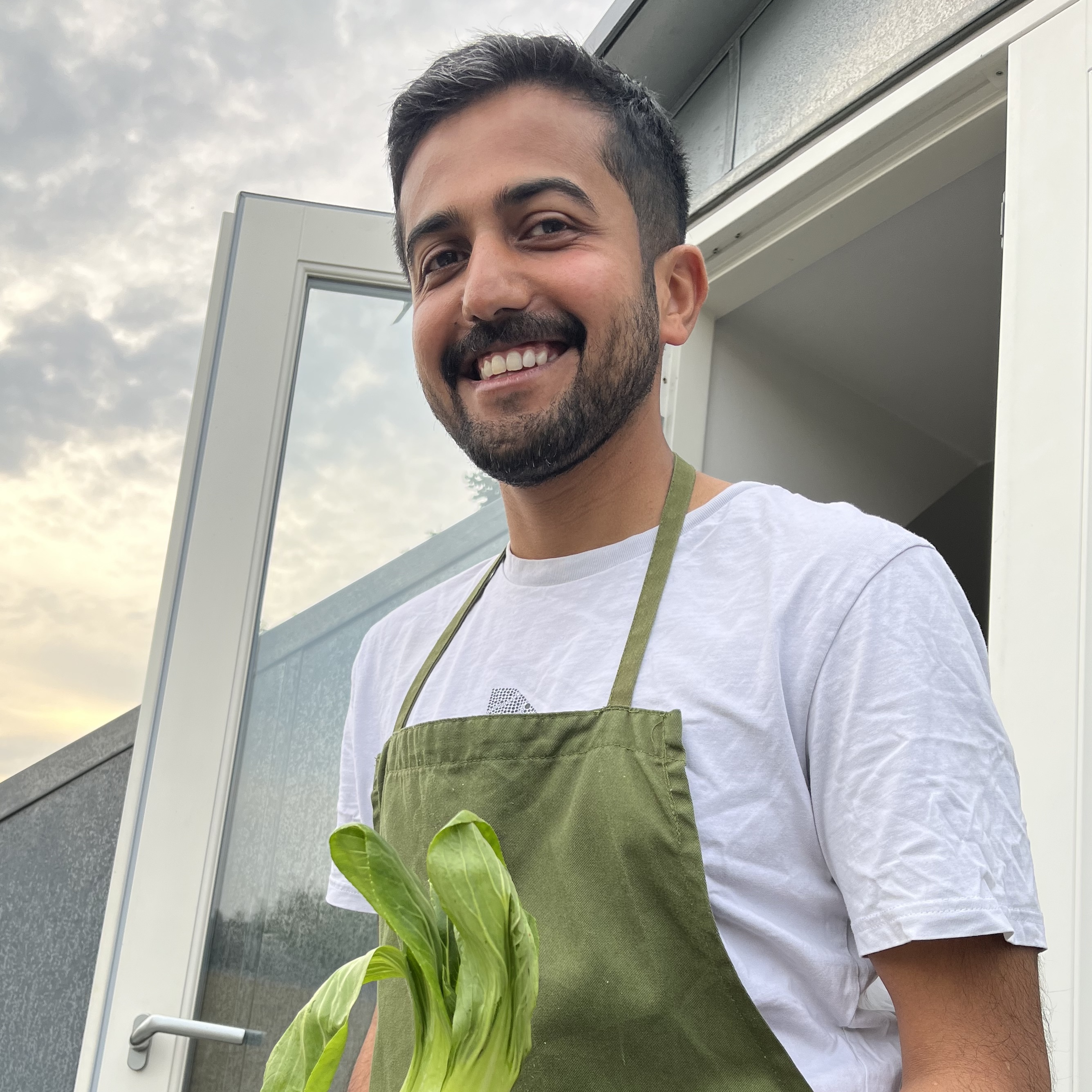
Kalpana Arias is a guerrilla gardener, technologist, nature rights activist and food grower, writer, speaker and the founder of PLAY, a social enterprise fighting for urban nature. Kalpana campaigns for the right to grow, nature rights and tech for good, and has spent over 10 years researching how technology and nature can work together from biomaterials and AI to robotics and other nature-based tech. She has delivered a global TED talk, spoken at the United Nations, featured on Evening Standard's 30 under 30 list of Climate Activists On A Mission To Save London and Vogue, and is a trustee for GROW charity and National Park City. Kalpana is currently an environmental consultant for corporations and governments and works with leading charities, institutions, brands and grassroots change-makers.

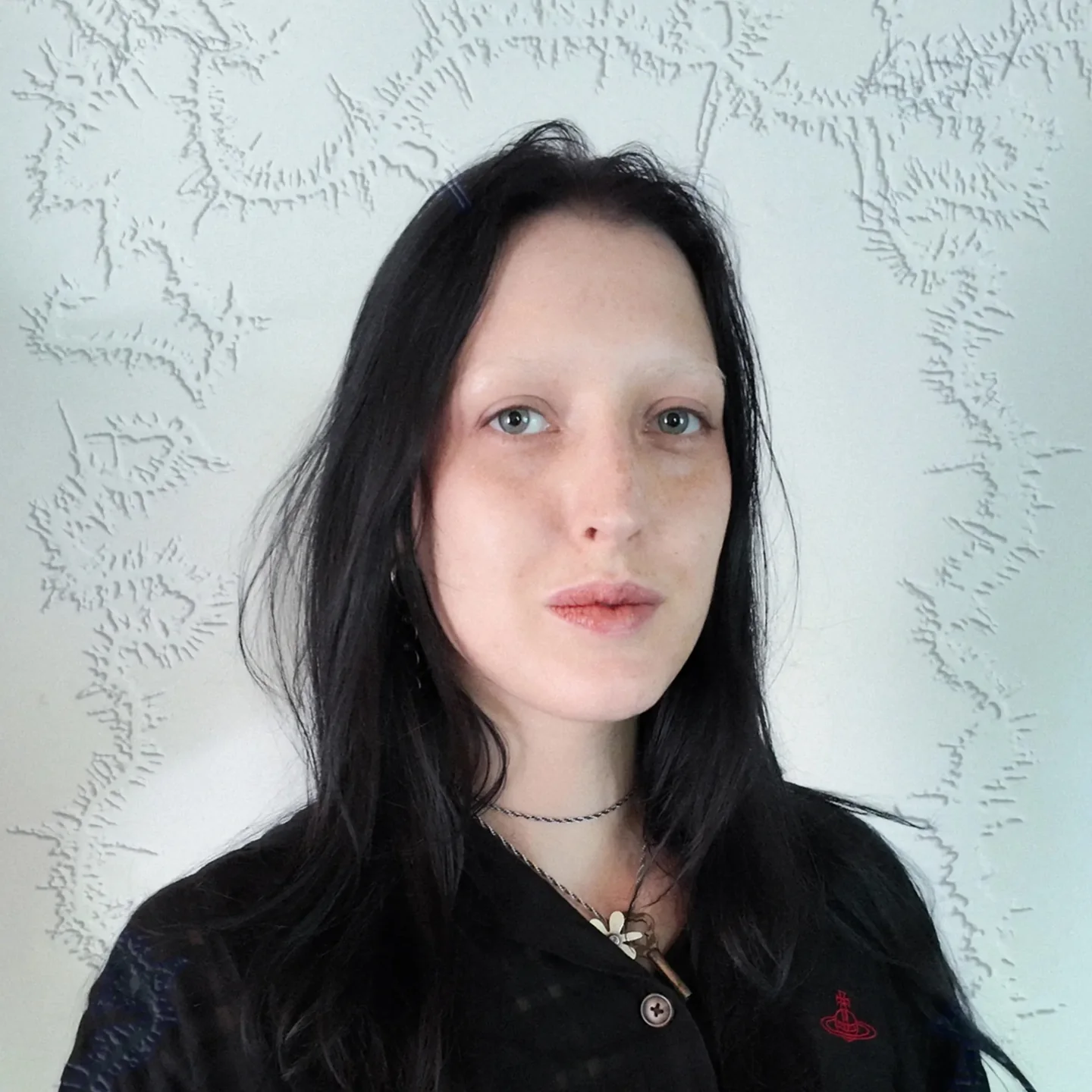
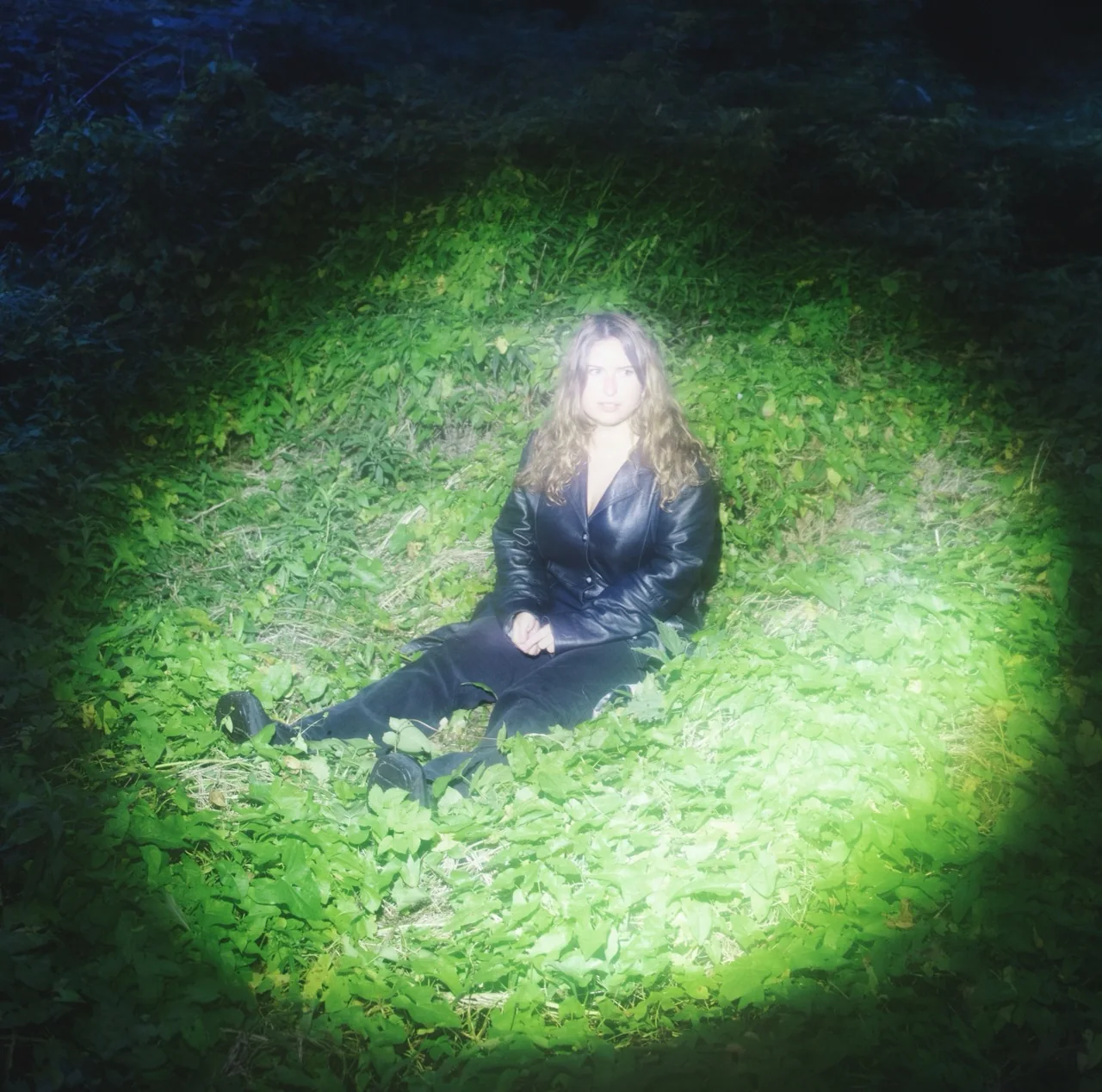
izzy/ixxi is a creative integrating experimental sound with visual and theoretical practice, as well as an educator in futures and cultural theory at UAL. Coming from a background of design, creative strategy and futures, she’s also a cultural organiser, Dj, and curator exploring percussion, ritual and sound. She co-hosts syncop8 on Subtle Radio and the ESEA Sisters show on Voices Radio, platforming artists across the East & Southeast Asian diaspora, and also co-founded Green Lions. Her performances draw on Chinese musical heritage, percussive instrumentation, electronica, temple rituals and chants, sensorial listening and visual culture. Trained in wind gong and Chinese & Taiko drumming, the performance at Softer, in collaboration with @metal_upa and part of the collective ‘Reciprocity’, will use participatory audio-visual experience to convey wu wei (無爲), Eastern philosophy and spirituality through sound, ritual, incantations, and alternative sensorial models in space.

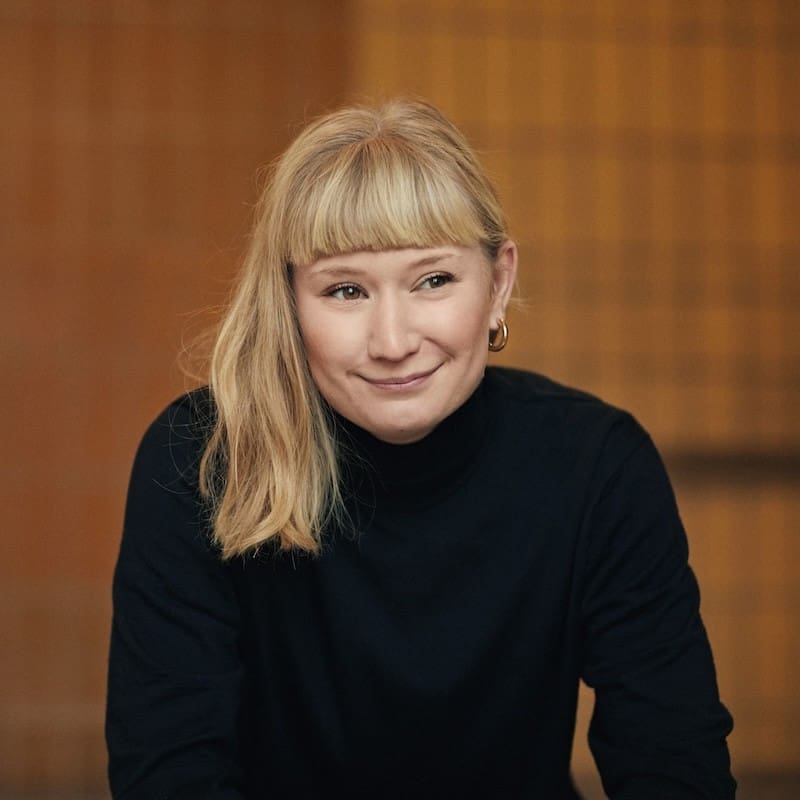
Tru Narla is a founder and content creator building playful, personality-filled hardware. After working as a software engineer, she began teaching herself electronics in late 2025 and now shares her journey online. Tru’s projects are usually guided by one simple question: “Would I actually want this in my life?” She loves building things that are cute, useful, and full of personality. She is currently launching a consumer hardware company, starting with a digital camera, and hopes to make technology feel more joyful, approachable, and a lot less serious.

Cash & Carry is a creative studio and publisher working with nice people on creative direction, brand identity and strategy. We're a fun and colourful creative practice with a DIY ethos. Beatriz is the Founder & Design Director, Grace is the Business & Strategy Director. Rooted in playfulness and shaped by a range of creative influences, Beatriz and Grace bring these worlds into the commercial space to craft new ideas, perspectives and possibilities.

Tigris is an Artist and Creative Technologist reimagining technology as a catalyst for emotional human connection. She is the co-founder of Lychee, a consumer electronics company reshaping DJing and cultural infrastructure, and Index, a fragrance experience that transforms your memories and conversations with AI into a bespoke perfume, in real-time. She also creates installations, electronic hardware, and sensory experiences that evoke curiosity, co-creation, and play - with collaborations including Converse, Arduino, and Visa x Olympics, and talks at Google, Dazed, Tate Britain, and more.

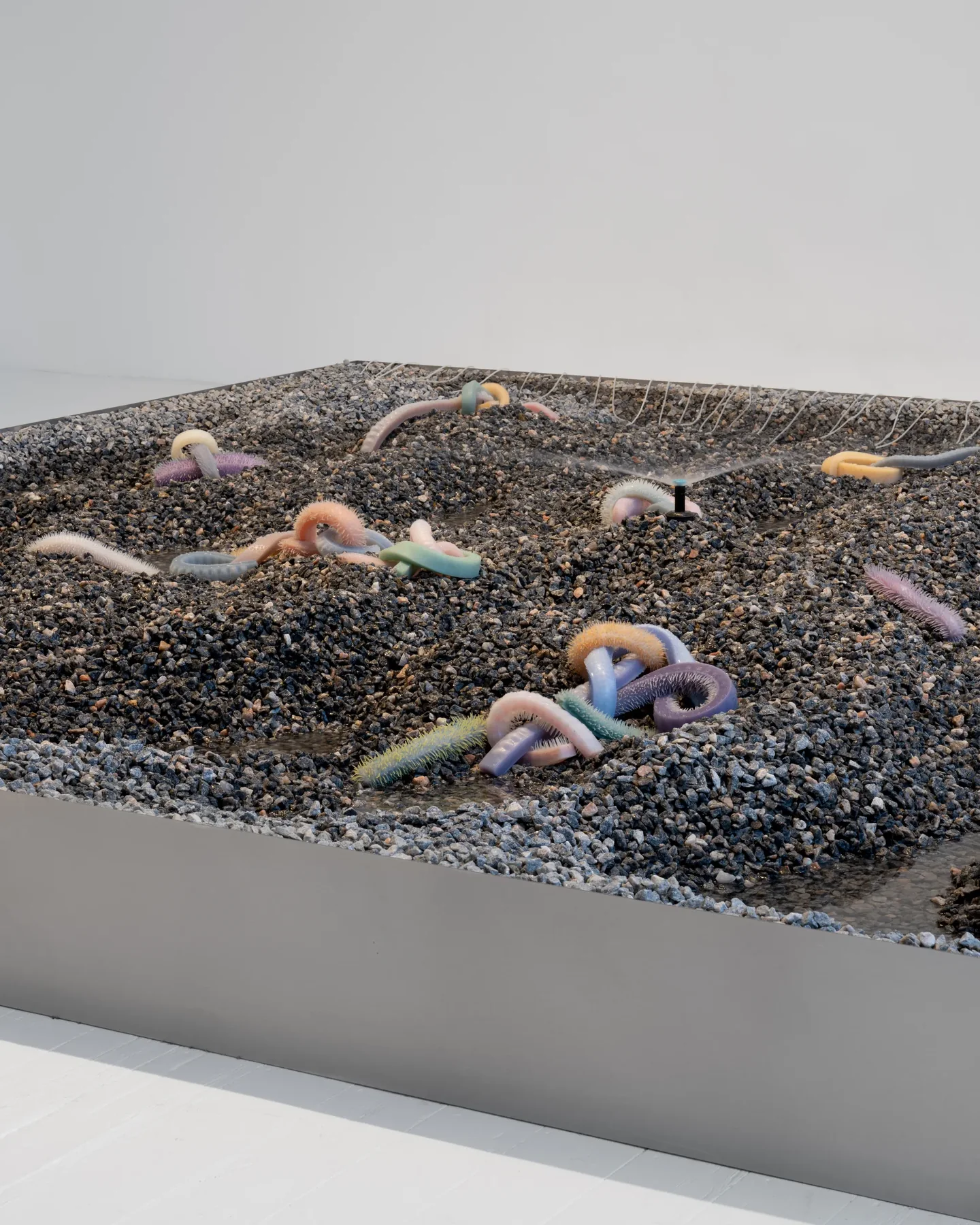
Caroline Vang is a Copenhagen-based 3D artist creating tactile visual experiences through 3D motion. Her work explores the space between the organic and the artificial, using materials, textures, and movement to create immersive visuals that invite audiences to look closer and engage with the details.

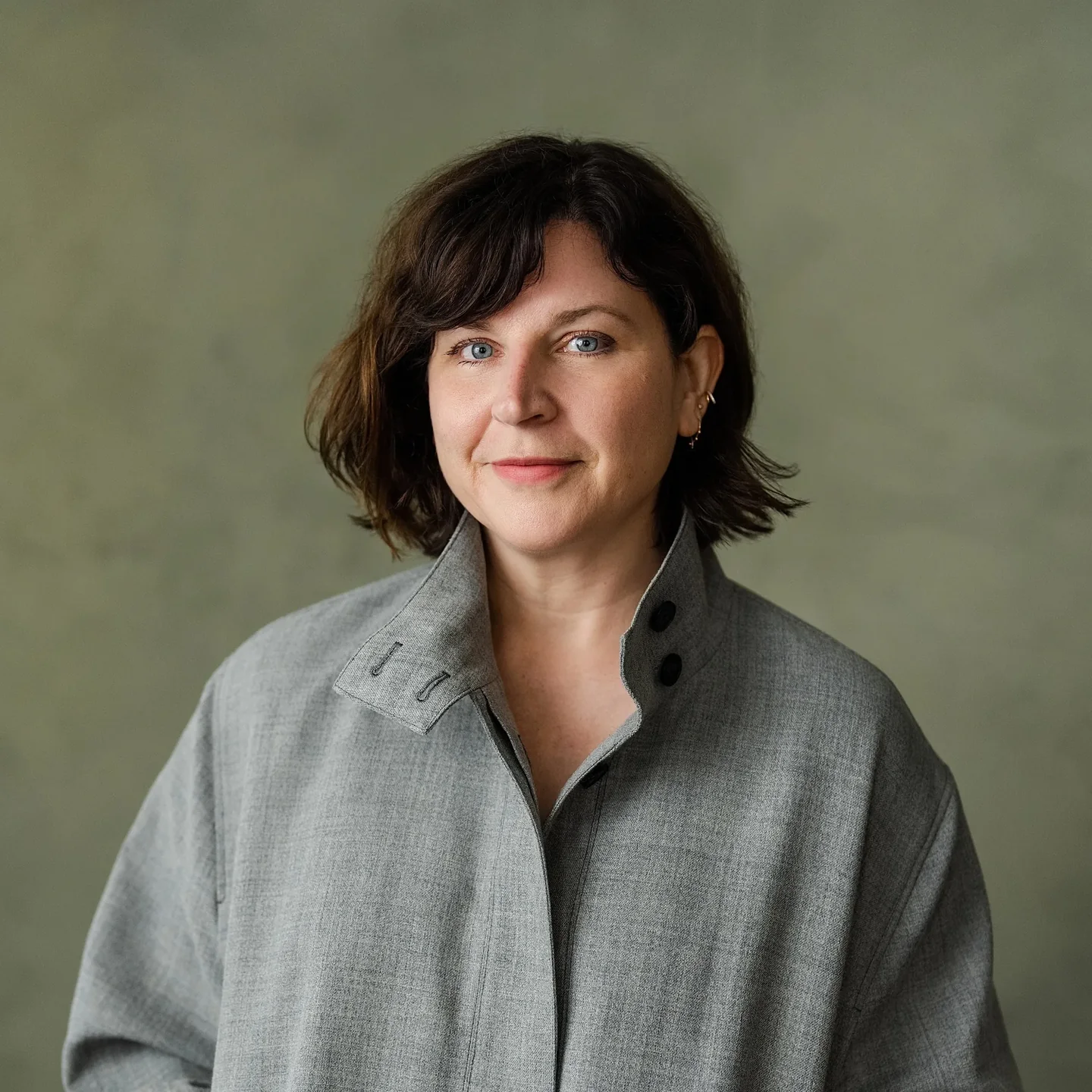
Carla Cammilla has been a creative entrepreneur for two decades, building and directing multiple visionary companies & projects such as future living lab SPACE10, philanthropic foundation re:arc institute, cultural studio ArtRebels, and passion projects: Social Service Club, Trailerpark Festival and The Farm Residency.
Carla Cammilla is also the wifey of SOFTER co-founder Nicole Jonasson and her latest venture is acquiring, renovating and transforming The Harmonie - this years venue. The Harmonie will open up as a combined culture house, rehearsal residency and culture academy. "Whether writing new music, developing a performance, testing stage ideas, or deepening a project or collaborative process, residents are invited to use our spaces as a temporary home for experimentation and focused practice".
A common thread throughout all of Carla Cammilla's (ad)ventures is an unwavering commitment to fostering the rebel spirit and supporting & facilitating emerging talents. I is herself a dedicated rebel on a mission to shape more connected, caring and hopeful futures.

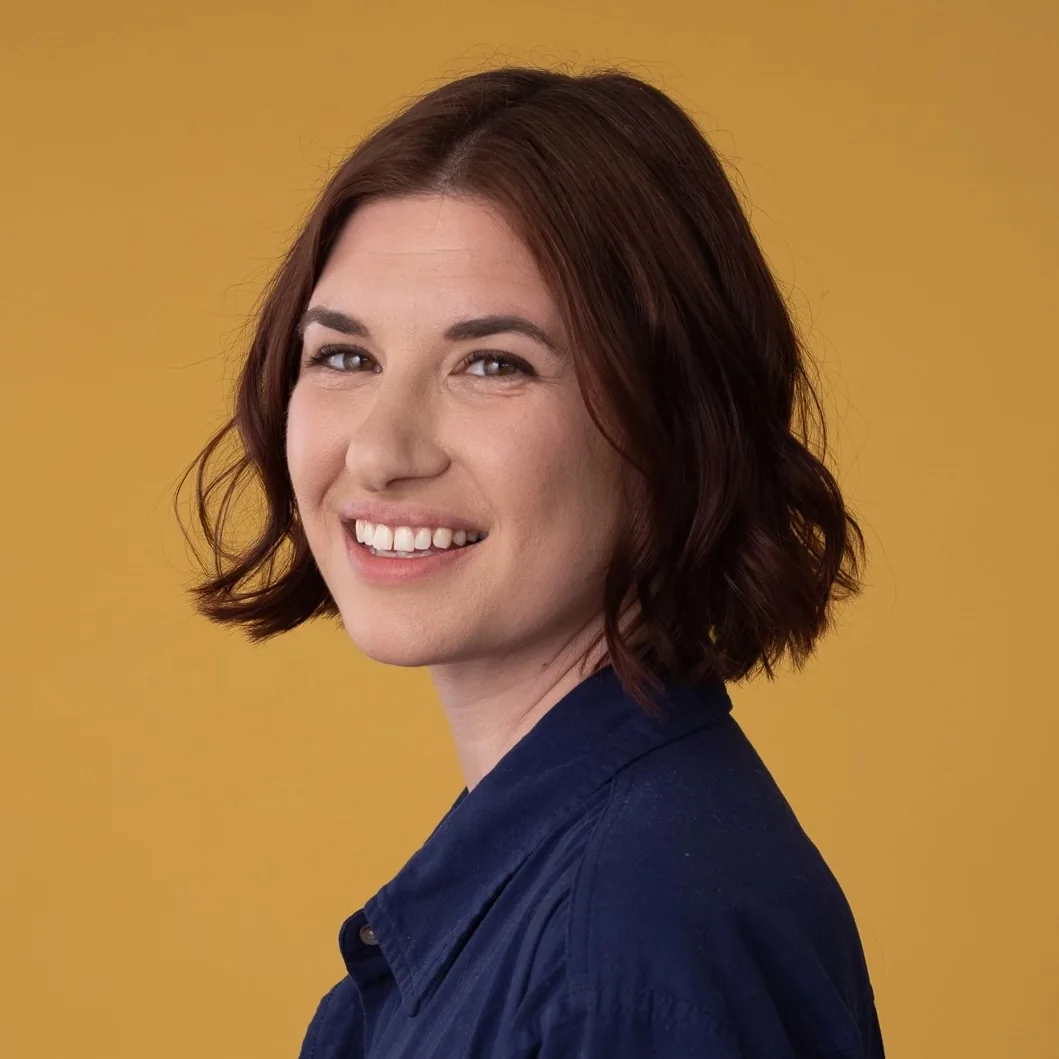
Olivia Ema is a London-based creative technologist, digital artist and Associate Lecturer at London College of Fashion (UAL), working at the intersection of generative systems, real-time visuals and cultural memory. She creates installations, activations and workshops that turn technical processes into a felt experience.
Her work spans screens at Outernet London, dancefloors with Ministry of Sound, briefs for Adidas, YouTube and Adobe, and collaborations with the Barbican and Arebyte. Recent projects include Black to the Future, exploring Black British cultural memory through archive and AI, and an interactive floor installation exploring grief through movement, light and ritual.
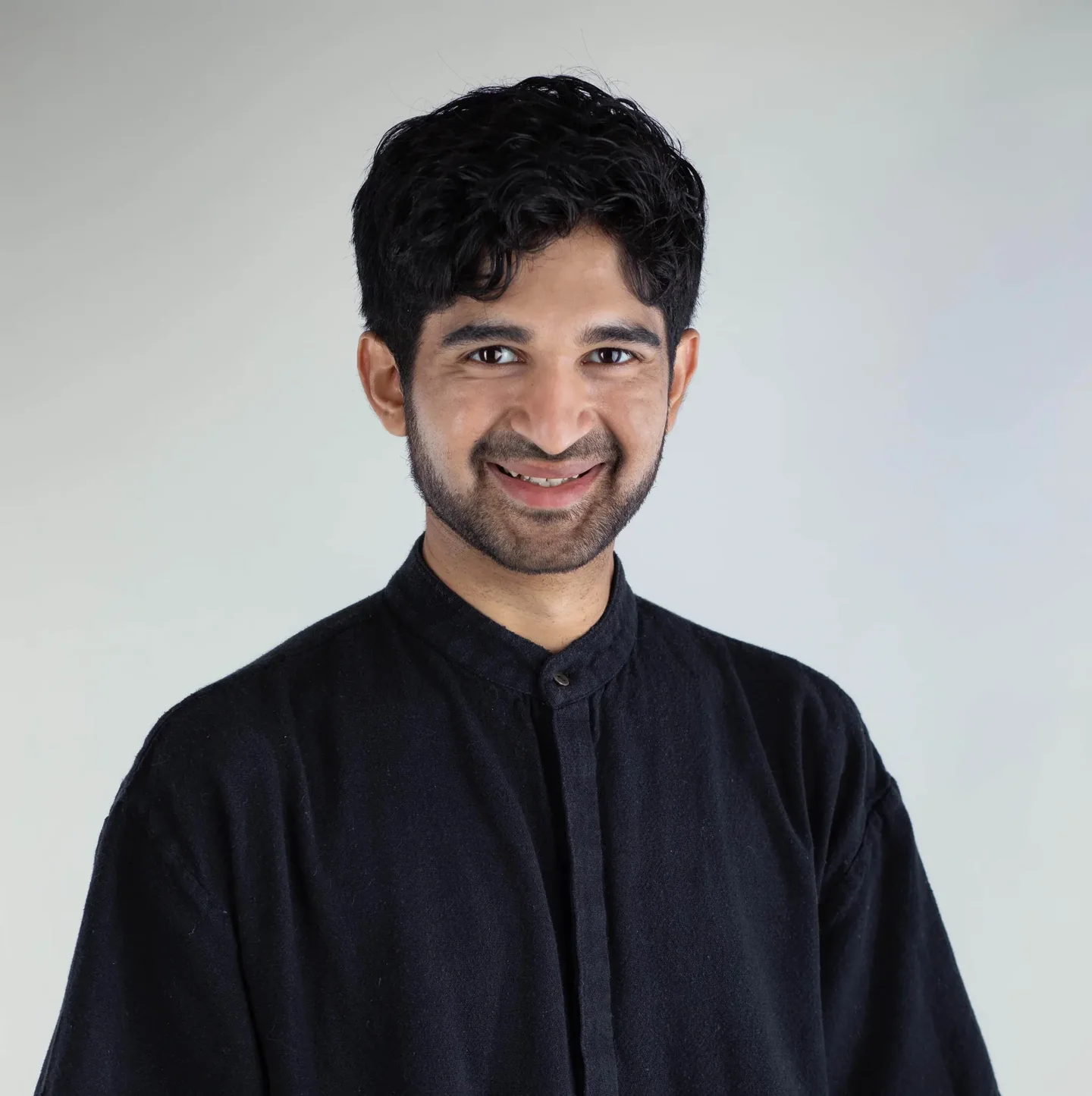
Olivia is drawn to where technology stops being purely technical and becomes sensory. She teaches Touchdesigner as a tool for translating feeling into form, invested in making tech accessible to people who don't yet see themselves as technologists.

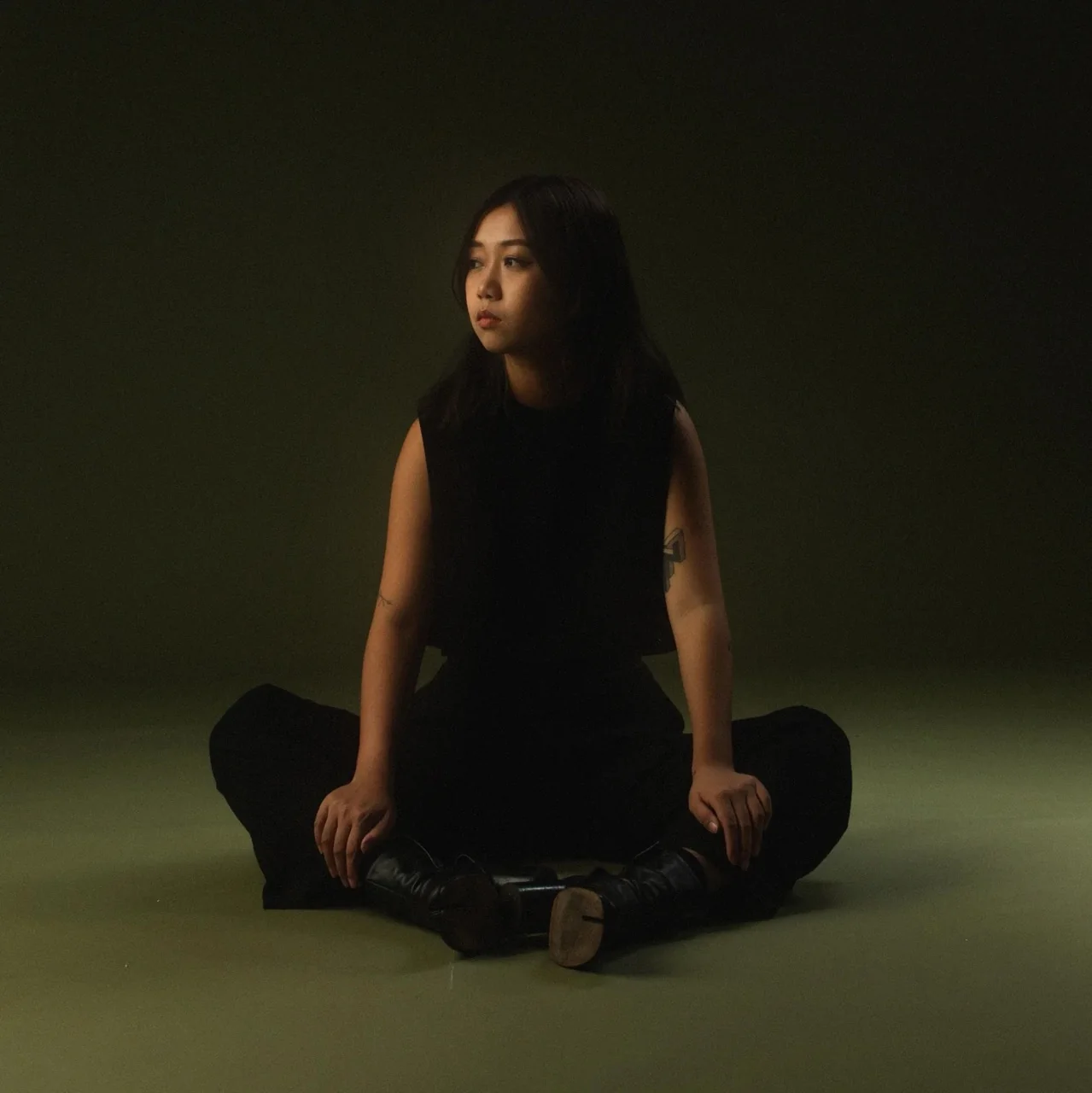
Kim Ying [METAL_UPA] is a Singapore-born, London-based artist working in sound, light and kinetic machines. Rooted in electronic club culture, dance and game worlds, her work translates immaterial bodies into interactive, fleeting encounters, where data and archival systems become spatial choreography.
With a background in interaction design, she questions what an interface is and what it conceals, treating digital infrastructure, planetary movement and natural forces as participatory bodies that can be listened to.
Her work has been exhibited at Ars Electronica, Copeland Gallery, Meanwhile Festival at Gaffe and SOFTER at The Art House by Acrylicize. She co-runs Cooked.wav, a food and rave collective, and is co-founding Reciprocity, a techno-spirituality collective, with its performance piece Coded Rituals.

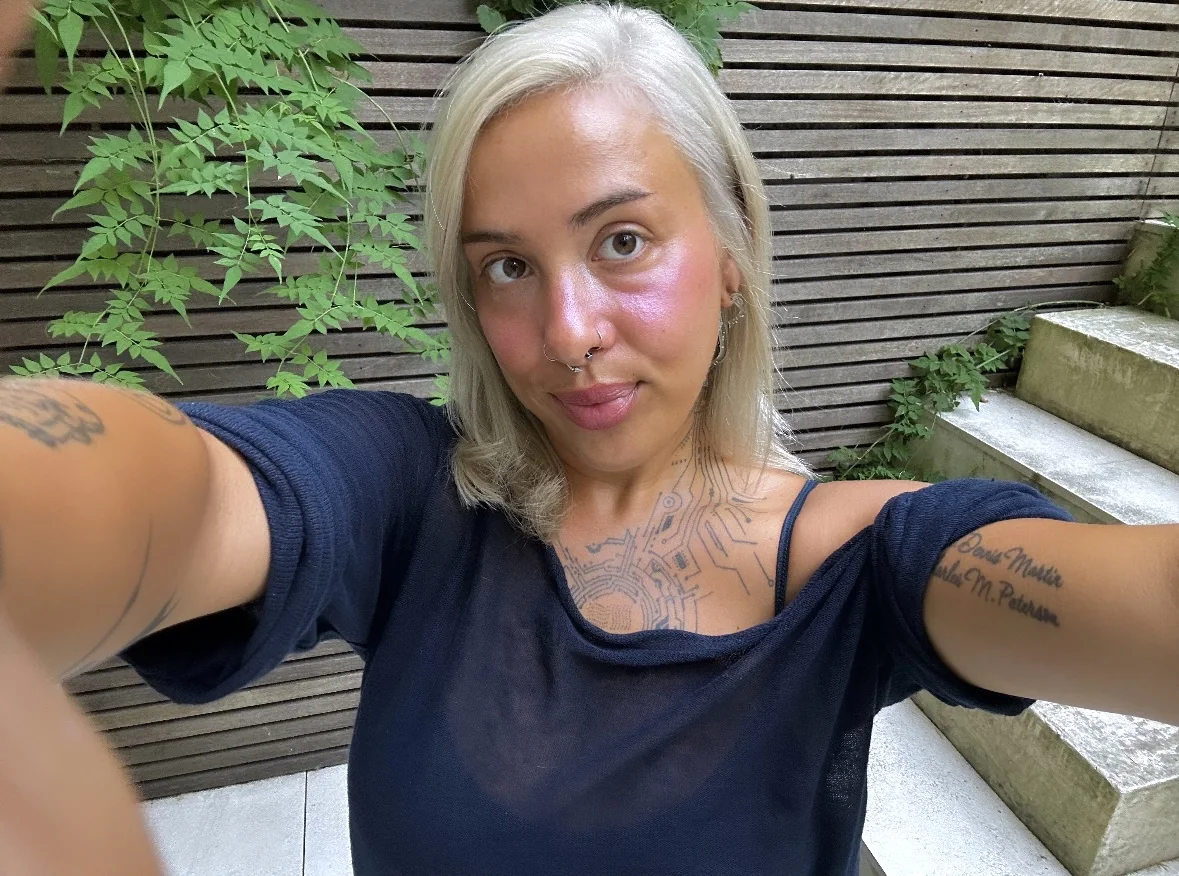
Alanna Okun (b. 1990, Boston, MA) is a writer, educator, game designer, and textile artist. Her practice concerns the connections between craft, creativity, and computation.
Okun’s latest projects center on homemade electronics, soft materials, and interactive storytelling (often at the same time). Her work has most recently been featured at the Open Hardware Summit (Berlin), Narrascope 2026, Brooklyn Comic Con, the Horological Society of New York, and the American Institute for Graphic Arts.
She is the author of two books — The Curse of the Boyfriend Sweater: Essays on Crafting (Macmillan 2018) and Knit a Hat: A Beginner’s Guide to Knitting (Abrams 2020). Based in New York City, she received a Master’s degree from NYU ITP in 2026, where she currently works as a research resident.

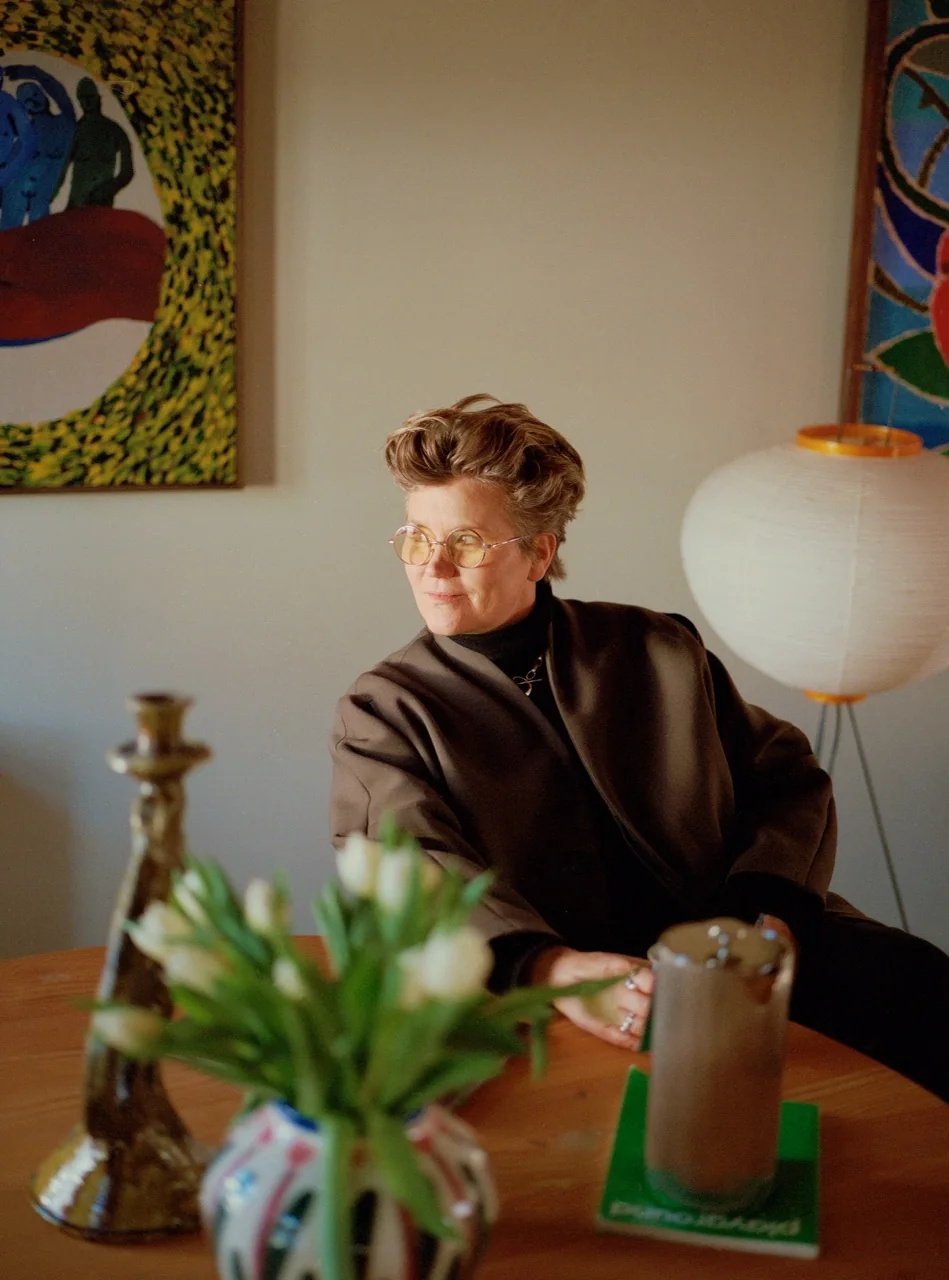
Danielle Paterson is a London and New York-based curator, advisor, and researcher. Her research explores new media art and technologies, world-building, techno-spirituality, creative economies, machine influence, and social culture. She focuses on how emerging technologies are reshaping artistic practice and cultural production. Danielle is Curator and Community Manager at Metalabel Studios and Dark Forest OS, the new private internet, where she helps build tools and digital infrastructure that enable creative people to cooperate better.

Michelle loves doing and exploring all things whimsical. She is the artist behind Whimsical Life Blooms (www.whimsical.dk), a creative space for flower arranging and artistic expression. She organizes and hosts flower workshops and Ikebana experiences in Copenhagen, creating spaces where people can pause, observe, connect, and express themselves through nature. Michelle takes a playful, contemporary approach to Ikebana while drawing inspiration from its principles of balance, harmony, space, color, and form. She loves experimenting with unexpected combinations of colors. Her creativity also extends to calligraphy and other forms of arts and crafts.
Alongside her artistic practice, Michelle is a co-founder, creative technologist, and community builder behind ULAP.org (www.ulap.org) and Maribatech ApS (www.maribatech.dk). She brings many of the same principles she finds in floristry into her work with technology and community-driven work: intentionality, creativity, simplicity, and human connection.
Whether arts, building products, or bringing communities together, Michelle is interested in creating thoughtful experiences that invite us to notice more, connect more deeply, and find a little more whimsy in everyday life.

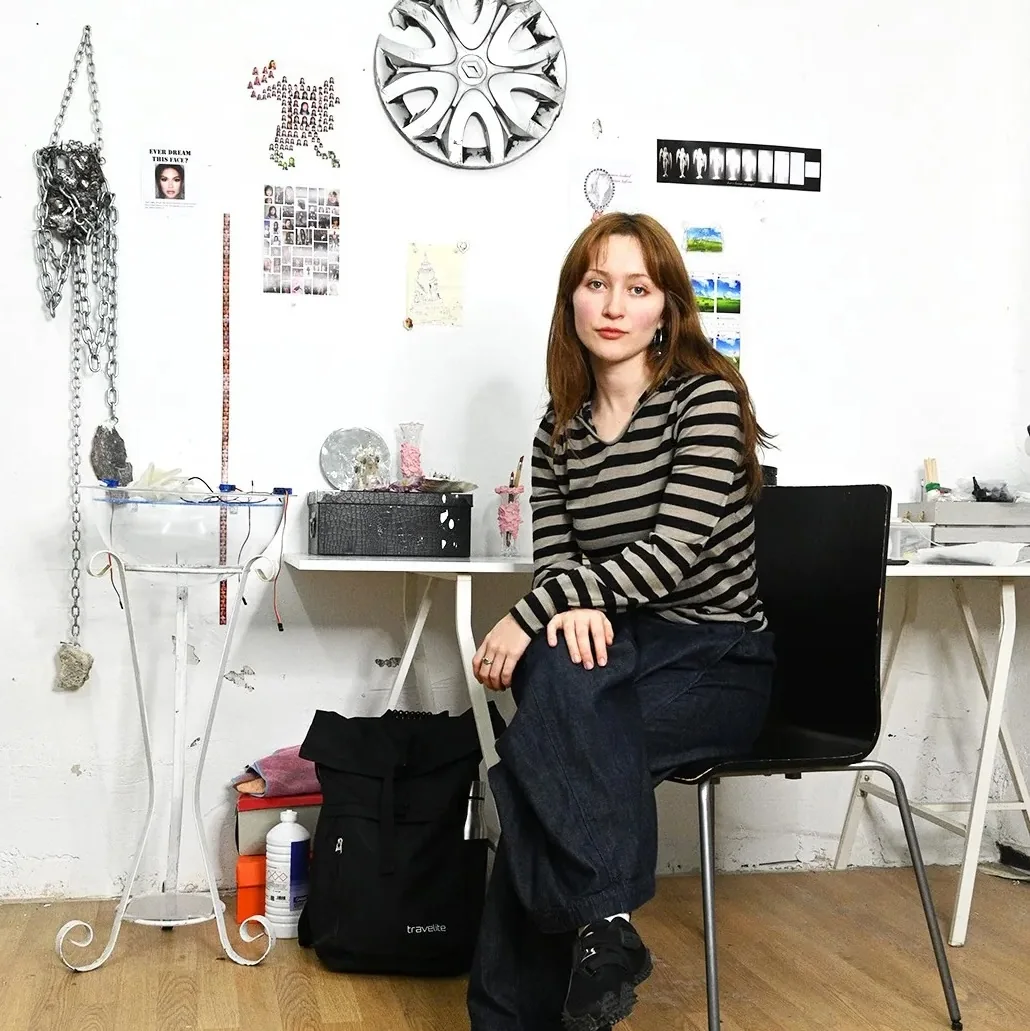
Yafira Martinez is a NYC-based design engineer and creative technologist with a B.S. in Computer Science and a master's from NYU's Interactive Telecommunications Program (ITP). Through her independent creative practice, Electrocute Lab, she explores what she calls poetronics — treating electronics with the sensibility of a poem. Working across hardware and software, she combines physical computing, embedded systems, soft circuits, and generative text to create experiences that invite curiosity, reflection, and play.
Drawing on the histories of computing and craft, she questions what computers should look like and how people engage with them, creating tactile, approachable technology that blurs the boundary between tool, artwork, and interface.
We’ve always wanted to rethink what a “tech conference” could and should be, from how we program to the spaces we create. We choose places that you wouldn’t normally associate with tech conferences, creating environments that bring us closer to each other, to nature and to new ways of thinking.
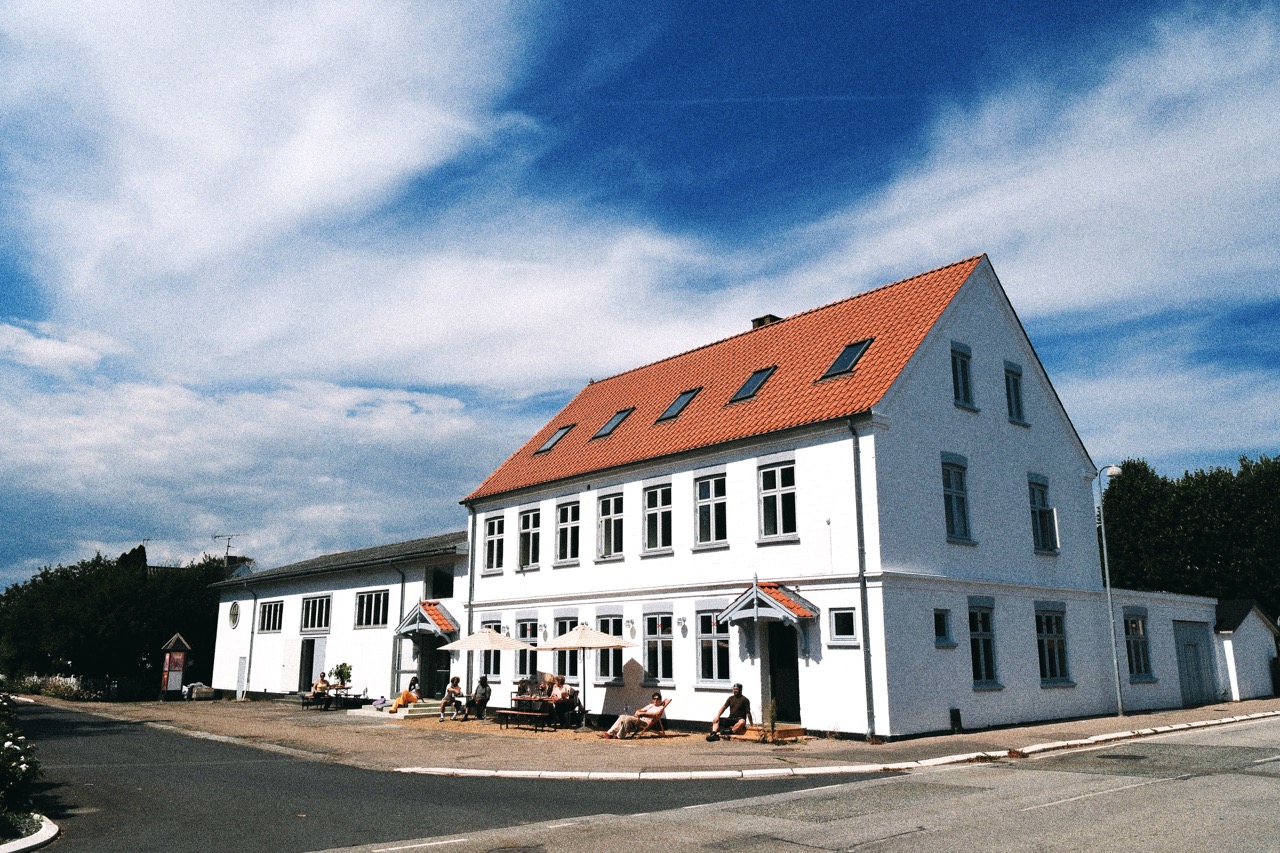
This year, we’re taking it a step further - moving beyond the city and into the Danish countryside, where we’ll host the conference at our new playground The Harmonie. Built in 1888 The Harmonie has long been a cultural anchor in Rødvig, a small harbour town on the UNESCO listed coast of Stevns Klint.
Earlier this year, SOFTER co-founder Nicole and her wife Carla Cammilla took over the place, continuing its legacy as a place rooted in culture and community. Alongside hosting this year’s Softer Digital Futures, The Harmonie will grow into an artist residency, cultural academy and work retreat destination.
For the full get away experience come stay for the weekend, there are plenty of affordable options just around the corner, a beautiful beach with a sauna club, and great walks along the cliffs. We would love to have you around and give you the full experience of life by the sea. See more from Costa del Stevns here

We’re always looking for volunteers to help with different tasks before, during and after the conference.
As a volunteer you will get a ticket and transportation from Copenhagen.
Please write us at info@softer.global if you want to join our production team :)
If you’re in for the full Stevns Klint experience, you can stay in local hotels, camping or airbnb.
Suggested places to stay overnight: Klinten Hotel, Rødvig Kro, Rødvig Ferieby
It is also possible to find bigger apartments and houses to share via airbnb and booking.com
Alternatively, it is possible to commute to the conference each day and we recommend staying in Copenhagen close to Meatpacking district from where the shuttle bus departs.
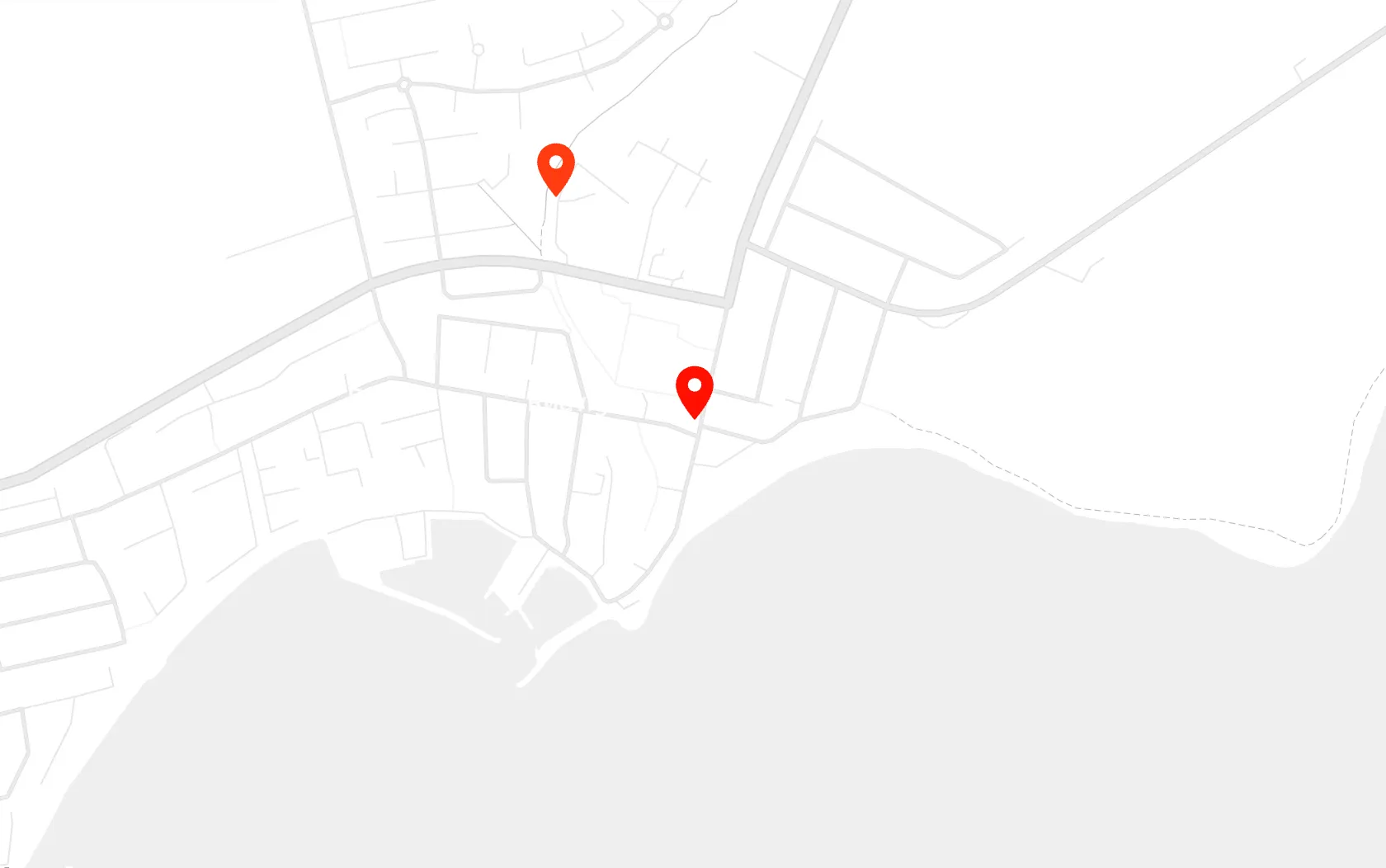
Rødvig is located just an hour south of Copenhagen and is easy to reach by our shuttle bus, public transport or car approximately 1½ hours. The adress is Rødvig hovedgade 4, 4673 Rødvig Stevns.
Shuttle bus
The shuttle bus takes you from Copenhagen to The Harmonie and back in roughly an hour per drive. It will depart from Meatpacking District in Copenhagen on Friday and Saturday in the morning and you can bring your breakfast on board if you like.
The bus will return from the venue to Copenhagen both evenings. Exact timetable TBA.
The bus is included in the ticket prices but please make sure to book your spot beforehand, and be mindful that the bus won’t wait for late arrivals. You will receive more info after booking the bus ticket.
Public transport
From the central station in Copenhagen (Hovedbanegården), take a regional or S train to Køge station where you switch to a local train until you arrive in Rødvig. From there it’s a 500 meters walk to the Harmonie.
You can purchase tickets for trains at vending machines at the station or download the Rejsebillet app. A train ticket is approximately €10 for a single trip.
Car
Plan for a one-hour commute from Copenhagen when arriving by car. There are free parking spots at the venue so you just put Rødvig Hovedgade 4, 4673 Rødvig Stevns in your navigation and off you go! It’s up to you to offer seats to others as we don’t coordinate car pooling.
Thursday
For the Soft Launch, we’re organising a simple food stall with vegetarian and vegan food. This is the only day where your meal is not included in the ticket as it’s optional to attend.
Friday and Saturday
Fresh, locally sourced lunch and dinner will be provided on both conference days, all included in the ticket price. Meals are vegetarian and served family-style, made on site by our wonderful chef and her team. Please make sure to inform us about any dietary restrictions when you buy your ticket.
Drinks
Coffee, tea and water is offered free of charge all days. Alcoholic and non-alcohol drinks are served at affordable prices each day.
Food in the area
If you’re looking for an alternative to the food we serve, there are a few options within walking distance of Harmonien. Just five minutes from the venue, you’ll find a local groceries shop for snacks, drinks and essentials, as well as a sushi restaurant. Down by the harbour, there’s a café serving sandwiches and ice cream, a small fish & chips shop, and a traditional local restaurant.
Softer Digital Futures works a little differently. Rather than signing up for workshops through the website, your ticket gives you access to our dedicated SOFTER space on DFOS. Once you have your ticket, we’ll invite you into the space, where you can browse the workshops and build your own programme. When workshop sign-ups open, spots are available on a first-come, first-served basis.
Workshops run in parallel, so you’ll choose which sessions you’d like to join and create your own itinerary around them. Outside the sessions, there will be plenty of time to connect with facilitators, ask questions, share reflections and see what others have been making.
The SOFTER space on DFOS will also be used before, during and after the conference as a place to communicate, share resources and stay connected with the community.
Don't worry if you already bought a ticket, but haven't received your invite yet, as we are still finalising a few things in the new SOFTER space on DFOS. Stay tuned for more info!
Thursday
For those who crave extra time in the Danish countryside, the Soft Launch is dedicated to meeting each other, enjoying dinner together and getting to know the venue. No official programme just yet!
Friday + Saturday
A day at the conference looks something like this – panels, keynotes, shared meals, workshops, art, nature, time to reflect and connect, plus a bigger dinner and party on Saturday. For us, the perfect mixture between conference, summer school, and festival. You can come and go at any time.
The program and lineup will updated continuously and the full time scheduled will be revealed closer to the conference.
SOFTER is a non-profit organisation and movement on a mission to change the narrative that tech is hard. We are a work-in-progress platform built on a feminist consciousness. We believe that softer values, such as care, empathy, community, multiplicity and collaboration are the path towards equitable futures to learn, examine and practice creative technologies & design.
SOFTER was born out of a longing for a community and learning spaces where we could see ourselves and our values reflected. We design and facilitate a range of in-person and digital activities, from our annual conference Softer Digital Futures, to our SOFTER Lab in CPH, remote SOFTER Satelites in London, online tutorials and residencies, and soon to be released, our first printed publication (coming in 2027).


Thank you to our partners and collaborators who help make this conference possible, through funding, resources, knowledge and support. We couldn’t do it without you.